Counterfeit Luxury Handbags: Risks, Red Flags, and Authentication Basics
A practical research guide to counterfeit luxury handbags, covering legal risk, online seller red flags, authentication basics, platform risks, and safer buying habits.
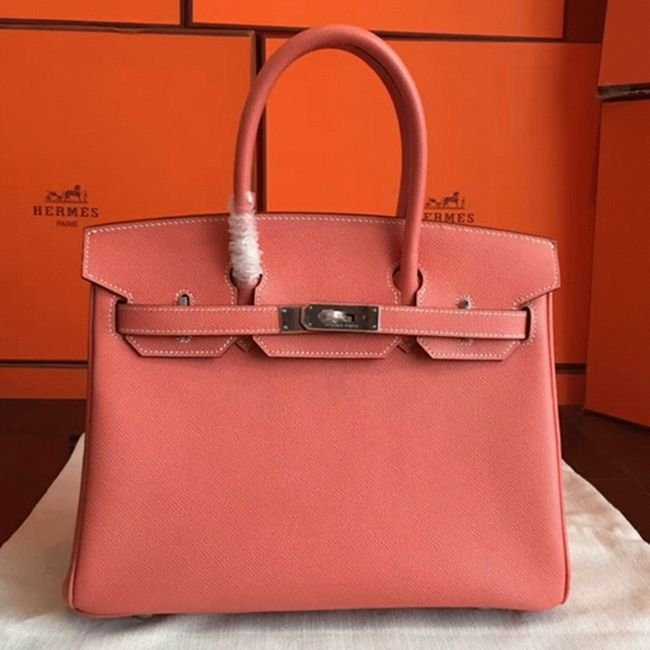
Counterfeit luxury handbags are more than imitation accessories. They sit at the crossroads of trademark abuse, buyer deception, marketplace fraud, and brand damage. For shoppers, the danger is not only paying for a fake item, but also losing money, missing return protections, and ending up with a bag that falls apart long before it should.
Counterfeit luxury handbags are more than imitation accessories. They sit at the intersection of trademark infringement, buyer deception, resale fraud, and brand harm. For shoppers, the risk is not only paying for a fake item, but also losing money, missing return protections, and ending up with a bag that fails quickly in everyday use.
Counterfeits and lookalikes are not the same thing
A lookalike bag may borrow the general silhouette, proportions, or style cues of a luxury design without pretending to be that brand. It can still raise ethical concerns, but it does not necessarily use protected trademarks.
A lookalike bag may borrow the overall silhouette, proportions, or styling cues of a luxury design without claiming to be that brand. It may raise ethical questions, but it does not necessarily copy protected trademarks.
In simple terms:
In simple terms:
Why counterfeit handbags are a serious problem
The harm goes beyond aesthetics. Counterfeits can mislead buyers, weaken confidence in legitimate resale markets, and create quality problems that reflect badly on the original brand.
The harm goes beyond appearance. Counterfeits can mislead buyers, weaken confidence in legitimate resale markets, and create quality problems that reflect poorly on the original brand.
Common places where fake bags are offered include:
Common places where fake bags may be offered include:
The less formal the transaction, the harder it is to verify who is selling, what protections exist, and whether the item can be returned.
Language that should make you pause
The less formal the transaction, the harder it is to verify who is selling, what protections exist, and whether the item can be returned.
Watch for listings that rely on unclear wording, omit specifics, or dodge direct questions about origin, receipts, or return rights. A trustworthy seller should be able to explain the item clearly and consistently.
A practical authentication approach
Watch for listings that use unclear wording, omit specifics, or dodge direct questions about origin, receipts, or return rights. A trustworthy seller should be able to explain the item clearly and consistently.
Use a pass/fail mindset:
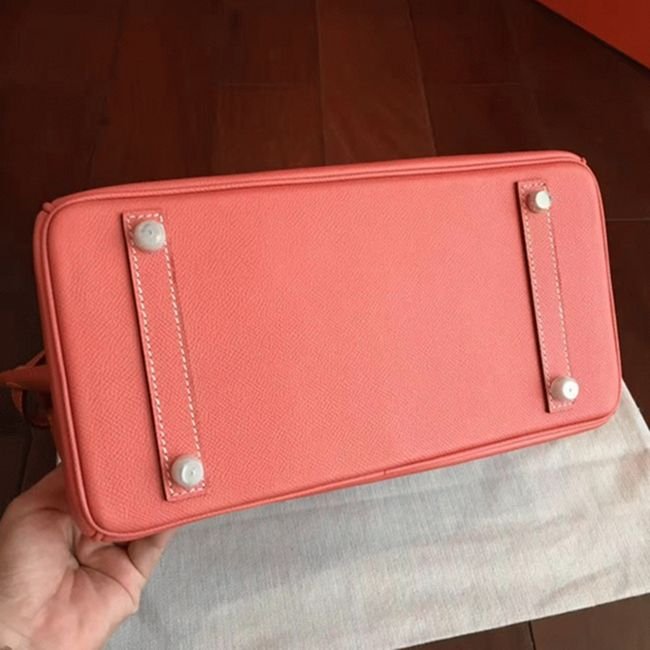
Checklist for evaluating a luxury handbag
1. Odor
Use a pass/fail mindset:
2. Model, proportions, and configuration
Confirm that the brand actually produced the bag in that size, shape, color, and material combination. Counterfeiters often mix features that seem plausible but were never part of an authentic release.
3. Materials and feel
Confirm that the brand actually produced the bag in that size, shape, color, and material combination. Counterfeiters often combine features that seem plausible but were never part of an authentic release.
4. Pattern placement and color
Print alignment matters. Monograms, checks, quilting lines, and repeating motifs should sit where the model normally places them. Unusual colors or pattern shifts should be checked against reliable references.
5. Stitch quality
Print alignment matters. Monograms, checks, quilting lines, and repeating motifs should sit where the model normally places them. Unusual colors or pattern shifts should be checked against reliable references.
6. Hardware
Zippers, clasps, chains, feet, screws, and logo plates should feel substantial and well finished. Plating that looks overly shiny, uneven, yellowed, or flimsy can signal a problem.
7. Branding details
Zippers, clasps, chains, feet, screws, and logo plates should feel substantial and well finished. Plating that looks overly shiny, uneven, yellowed, or flimsy can signal a problem.
8. Codes and identification numbers
Serial numbers and date codes can help, but they do not prove authenticity on their own. Fake bags can copy, invent, or recycle these details, so treat them as only one piece of the puzzle.
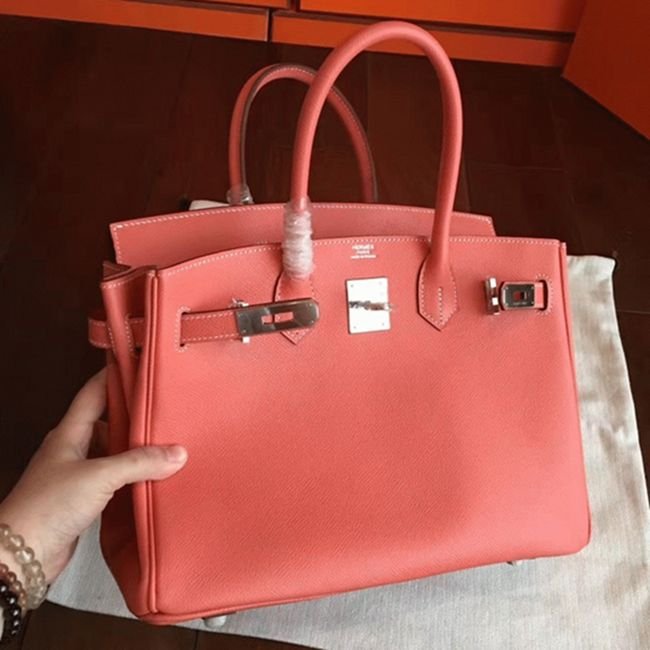
Pricing can reveal a lot
Serial numbers and date codes can help, but they do not prove authenticity on their own. Fake bags can copy, invent, or recycle these details, so treat them as only one piece of the puzzle.
If a seller offers a bag that normally sits in a high-end price bracket for a tiny fraction of that amount, assume risk until the item is strongly verified.
If a seller offers a bag that normally sits in a high-end price bracket for a tiny fraction of that amount, assume risk until the item is strongly verified.
“cheap Louis Vuitton”
“Louis Vuitton outlet”
“designer outlet sale”
“factory direct Chanel”
“Gucci wholesale”
“cheap Louis Vuitton”
“Louis Vuitton outlet”
“designer outlet sale”
“factory direct Chanel”
“Gucci wholesale”
When buying pre-owned, lower your risk by choosing sellers who offer:
When buying pre-owned, lower your risk by choosing sellers who offer:
Avoid pressure tactics, wire transfers, and sellers who refuse reasonable photo requests or basic item information.
Avoid pressure tactics, wire transfers, and sellers who refuse reasonable photo requests or basic item information.
Proof of purchase or provenance, when available
Close-up photos of stamps, hardware, and stitching
Photos of the interior, corners, base, and serial details
A clear explanation of return terms
Confirmation of who will handle authentication if needed
Proof of purchase or provenance, when available
Close-up photos of stamps, hardware, and stitching
Photos of the interior, corners, base, and serial details
A clear explanation of return terms
Confirmation of who will handle authentication if needed
FAQ
Can expert authenticators still be wrong?
Yes. Sophisticated counterfeits may copy packaging, labels, receipts, and hardware details closely enough to create doubt. Authentication depends on evaluating multiple features together, not a single code or logo.
Are replica bags always easy to spot?
Yes. Sophisticated counterfeits may copy packaging, labels, receipts, and hardware details closely enough to create doubt. Authentication depends on evaluating multiple features together, not a single code or logo.
What is the safest way to avoid a counterfeit handbag?
Buy from the brand directly or from reputable sellers that provide clear product history, strong return policies, and authentication support. When anything feels inconsistent, treat the bag as risky until proven otherwise.
Final thoughts
Buy from the brand directly or from reputable sellers that provide clear product history, strong return policies, and authentication support. When anything feels inconsistent, treat the bag as risky until proven otherwise.
The safest approach is to slow down, verify every important detail, and rely on sellers who welcome scrutiny rather than avoid it.
Related Long-Tail Keywords
- replica counterfeit luxury : risks, red flags, and authentication basics quality guide
- how to style a replica counterfeit luxury : risks, red flags, and authentication basics bag
- replica counterfeit luxury : risks, red flags, and authentication basics material and hardware details
- replica counterfeit luxury : risks, red flags, and authentication basics size and fit guide
- replica counterfeit luxury : risks, red flags, and authentication basics buyer checklist

Interested in replica luxury bags? Contact us.
WhatsApp: +852 46220086 Telegram: @samchen99 Instagram: @repbags7Scan the QR code or contact us directly