How a Product Manager Plans to Be Debt-Free While Curating a $32,700 Luxury Handbag Collection
A 36-year-old product manager shares how she balances a 12-bag luxury collection with aggressive debt repayment. Inside: her Dior obsession, Instagram's influence, and why she never buys on credit.

Meet the Collector: A Finance Professional with a Passion for Designer Bags
This week’s profile features a 36-year-old product manager from Hartford, Connecticut, who works in the finance industry. She earns a base salary of $118,000 plus annual bonuses between $10,000 and $20,000 in cash and stock. Her husband contributes an additional $78,000. Together, they are on a mission to eliminate all debt—including their mortgage—within the next year. Despite this aggressive savings goal, she maintains a carefully curated collection of 12 luxury handbags valued at $32,700.
The Collection: From First Love to Holy Grails
Her most expensive piece is a Chanel Large Shopping Tote, but the bag that truly changed her relationship with luxury handbags was a Dior Diorama. She bought it in Las Vegas during a birthday trip with her husband. Although she had initially planned to purchase her first Chanel flap bag, she stepped into Dior, fell for the structured silhouette and rare color, and made a different choice. The credit card processing took nearly three hours, but the couple turned the delay into part of the celebration with champagne and photos.
Her first designer bag was a small blue and brown Coach hobo purchased at age 21. She was in San Francisco with her father and sister when she convinced him to buy it for her birthday. Looking back, she notes that even he was shocked by the price—which was likely under $300.
Before that, her aunt, who worked at Neiman Marcus, had gifted her several Kate Spade bags and a small lavender Fendi shoulder bag. She wore the Fendi until it developed a hole, then sold it years later for $20 on Craigslist, a decision she now regrets.
The Sentimental Favorite: A Hard-Won Louis Vuitton
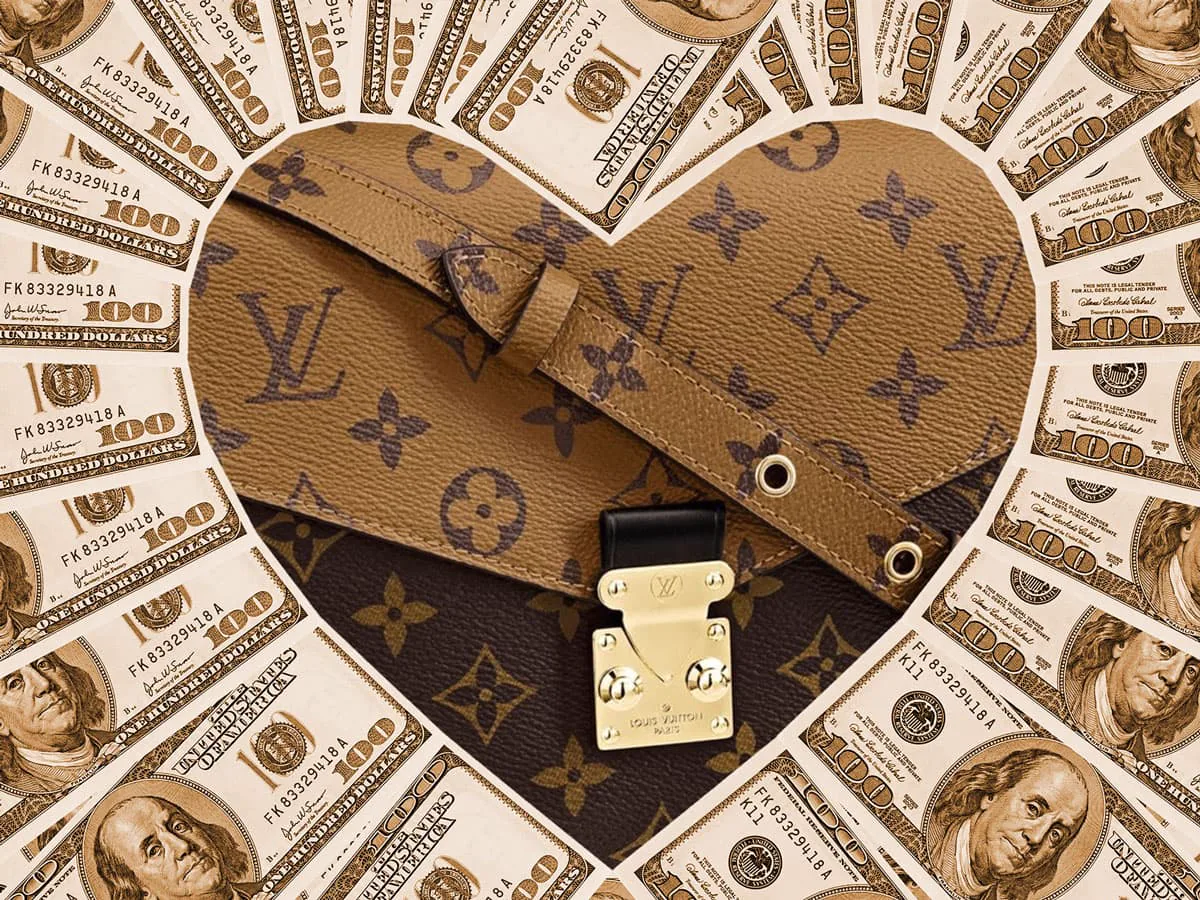
Her most cherished bag is her most recent acquisition: a Louis Vuitton Reverse Monogram Pochette Metis. She had just moved to a new city and was not planning another purchase—especially after buying a Chanel Shopping Tote, two Chanel wallets, and a YSL wallet on a chain in the previous six months. Her husband was not pleased.
It took a month for her advisor to locate one. The first bag had a defective flap, but because of their relationship, the advisor advocated for a replacement and let her keep the original until the new one arrived two to three weeks later. For her, the appeal lies not only in the color and versatility, but also in the story attached to the purchase.
It took one month for her client advisor to locate a bag. The first one had a defective flap, but because of their strong relationship, the advisor fought for a replacement and let her keep the original until the new one arrived two to three weeks later. She loves the color, style, and versatility—and the story behind it.
How Bags Affect Treatment and Perception
Outside of retail, she often receives compliments on more distinctive bags like her Dior, YSL, and Reverse Monogram Pochette Metis. People ask where the bags come from, how they wear over time, and whether they are worth the investment. She enjoys giving honest answers rather than simply admiring them from afar.
Outside of retail, she receives compliments on less common bags like her Dior, YSL, and the Reverse Monogram Pochette Metis. People ask about brands, where to buy them, and how they hold up, and she enjoys sharing honest reviews.
Shopping Habits and Frequency
Louis Vuitton is her most frequently visited store because it is the only luxury handbag retailer within two hours of her home. When she lived in California, she browsed Chanel, YSL, and Neiman Marcus every two weeks, even when she was not planning to buy.
Her most frequented store is Louis Vuitton, as it is the only luxury handbag retailer within two hours of her home. When she lived in California, she visited Chanel, YSL, and Neiman Marcus every two weeks just to browse.
Second-Hand and Selling Strategies
She now limits herself to roughly 12 to 15 handbags, excluding wallets and small leather goods, and evaluates each addition carefully. She has sold five or six Louis Vuitton bags through Fashionphile and eBay, which gave her the best returns. She once used Bag Borrow or Steal, but she feels their pricing has fallen over time.
She does sell bags to fund new purchases. When she collected Coach and Kate Spade, her mantra was “more is more.” She bought multiple bags at outlet prices and frequent sales, eventually accumulating a collection she barely used. She decided she wanted handbags she would actually wear and love.
In hindsight, she wishes she had started researching luxury brands right after college. At that time, she says, Chanel flap bags and LV Speedies were far less expensive than they are now. She also regrets selling some early Coach pieces for a fraction of what she spent, especially when she considers how certain classics may have appreciated over time.
The Instagram Effect
She calls Instagram both a curse and a gift. Without it, she would not be as educated about luxury handbags or limited editions. But she doubts she would have spent as much money without the platform. She sees influencers posting new purchases weekly—sometimes multiple times a week—spending hundreds of thousands on Chanel, Hermès, and leather Louis Vuitton.
She even jokes with her husband, who collects Scotch, that if they ever faced financial hardship, she could sell her handbags and cover the mortgage for months. She is not sure he could say the same about his collection.
Are Bags Investments?
She considers her bag purchases investments. She evaluates whether a bag is a longstanding style like the LV Speedy or Neverfull, how prices have adjusted over time, and how limited or popular the design is—all factors that affect resale value. She tells her husband, who collects Scotch, that if they faced financial hardship, she could sell her handbags and pay the mortgage for several months. She cannot say the same about his Scotch collection.
The Role of Client Advisors
For her, shopping is about more than acquiring new things. It is also a reward for long hours and hard work. She admits that sometimes shopping provides the kind of emotional lift that food cannot.
The Joy of Shopping
Beyond acquiring new items, she shops to reward herself for hard work. She works long hours, and sometimes food does not satisfy. She loves the rush of shopping, though she is a bargain hunter for everything except luxury handbags. She never pays full price unless necessary, and she saves money elsewhere to fund her bag purchases. She admits to being a shopaholic who sometimes hoards items and donates new goods to Goodwill.
Service and Appearance
She has experienced the difference appearance can make in customer service. When she is not dressed in a polished way, she notices that the treatment she receives can be noticeably worse. Carrying a luxury handbag seems to alter that dynamic, even when nothing else has changed.
The Financial Discipline Behind the Collection
She pays for her bags herself, though she and her husband combine finances. She does not set aside a specific budget for handbags. She is an instant gratification person: she sees something, researches it exhaustively for one to two days, and then needs to purchase. Her first YSL purchase happened that way—she saw it on Monday, wanted it Tuesday, and ordered it over the phone from a store two hours away without seeing it in person.
Her first YSL purchase followed exactly that pattern. She saw it on a Monday, wanted it on Tuesday, and ordered it by phone from a store two hours away without viewing it in person.
Counterfeit Experience and Transparency
She bought a counterfeit LV handbag during a college trip to Asia and is not proud of it. Later, she won a pink Dior saddle bag on eBay for $250—a lot of money for a student. When it arrived, it looked wrong. She returned it but never got her money back. That experience taught her to avoid fakes. Now she can spot a counterfeit and would never buy one. She notes that some fakes cost hundreds of dollars, and she would rather pay a little more for the real thing.
Now she can spot a counterfeit quickly and would never buy one. She also points out that some fake bags cost hundreds of dollars, which makes the risk especially frustrating. To her, it is better to pay a little more for the real thing than to compromise on authenticity.
The Craziest Thing She Has Done
Nothing extreme—but she has scoured her house for anything and everything she could sell to fund a bag. She is disciplined about not spending money she does not have.
Key Takeaways for Luxury Bag Lovers
She says she has never done anything extreme for a bag, but she has searched her home for items she could sell in order to fund one. That restraint is part of her larger discipline: she refuses to spend money she does not have.
Related Long-Tail Keywords
- replica how a product manager plans to be debt-free while curating a $32,700 luxury quality guide
- how to style a replica how a product manager plans to be debt-free while curating a $32,700 luxury bag
- replica how a product manager plans to be debt-free while curating a $32,700 luxury material and hardware details
- replica how a product manager plans to be debt-free while curating a $32,700 luxury size and fit guide
- replica how a product manager plans to be debt-free while curating a $32,700 luxury buyer checklist

Interested in replica luxury bags? Contact us.
WhatsApp: +852 46220086 Telegram: @samchen99 Instagram: @repbags7Scan the QR code or contact us directly