How Heritage Luxury Brands Like Chanel, Dior, and Bottega Veneta Balance Reinvention with Loyalty
Explore how Chanel, Dior, and Bottega Veneta navigate creative director changes while honoring house codes and retaining loyal customers in luxury fashion.
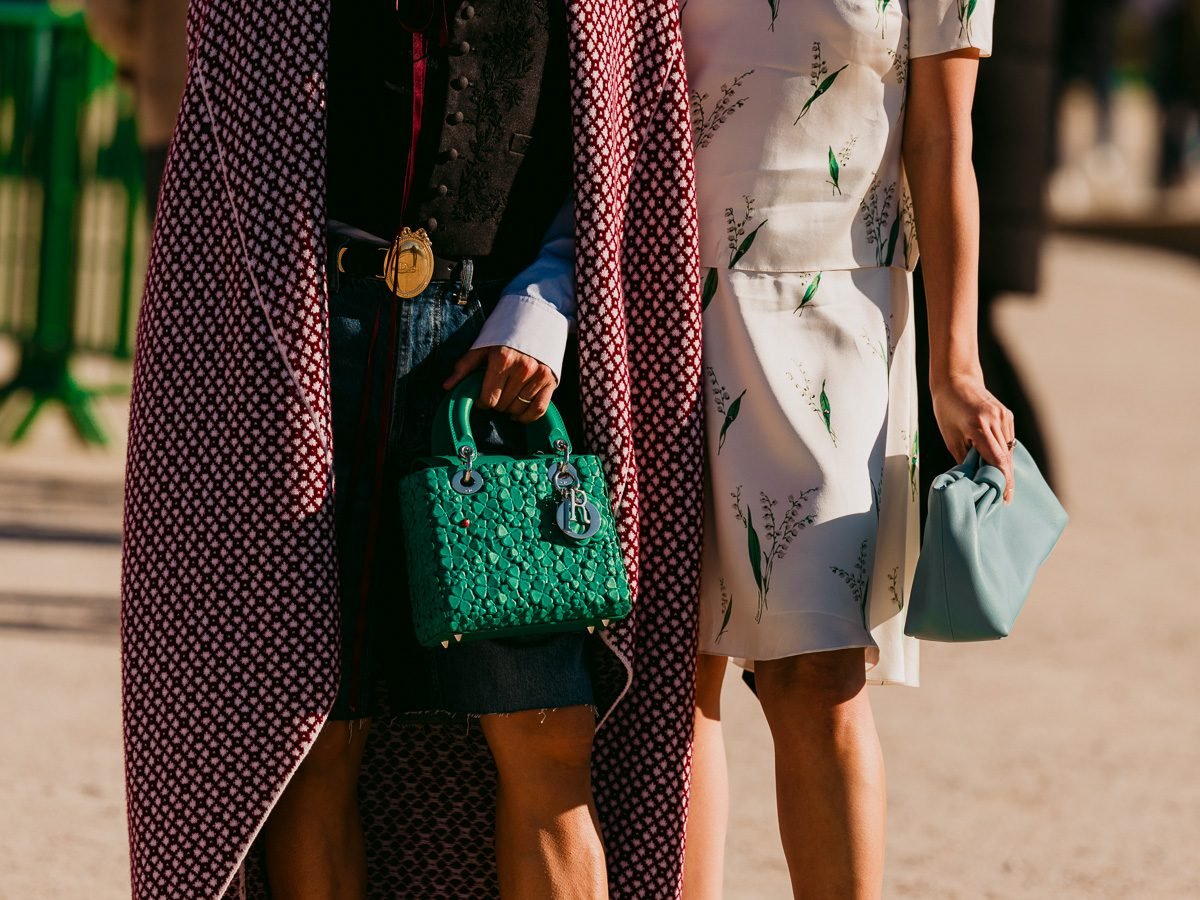
The Creative Director Shuffle and Its Impact on Luxury Houses
Luxury fashion is in the midst of a creative director rotation. From Chanel and Celine to Bottega Veneta and Gucci, the person leading a heritage brand now shapes not only design and DNA but also the emotional connection with its fan base. When a new designer steps in, the shift can be immediate or gradual, subtle or dramatic. House codes are reinterpreted, aesthetics evolve, and the entire brand can pivot under fresh leadership.
Luxury fashion is defined by continuity as much as change. At houses such as Chanel, Dior, Bottega Veneta, and Celine, the creative director does more than shape the next collection; that person also influences how a brand interprets its history, communicates its identity, and speaks to a new generation of customers. A transition at the top can feel subtle at first or arrive as a dramatic reset, but either way it often changes the mood of the house.

The Delicate Balance Between Heritage and Reinvention
When Daniel Lee became Creative Director at Bottega Veneta, the once-quiet luxury label experienced an overnight transformation. Younger consumers who had previously ignored the brand flocked to its new signature designs. Sales surged, but longtime devotees watched classics like the Olimpia Bag and the Knot Clutch disappear from shelves.
This raises a critical question: Can a brand’s storied house codes and loyal customers coexist with its new direction? The answer is yes, but it requires careful navigation. Transition periods can take years. Celine, for example, faced turbulence when Hedi Slimane replaced Phoebe Philo in 2018. It took several seasons before Slimane found his rhythm.
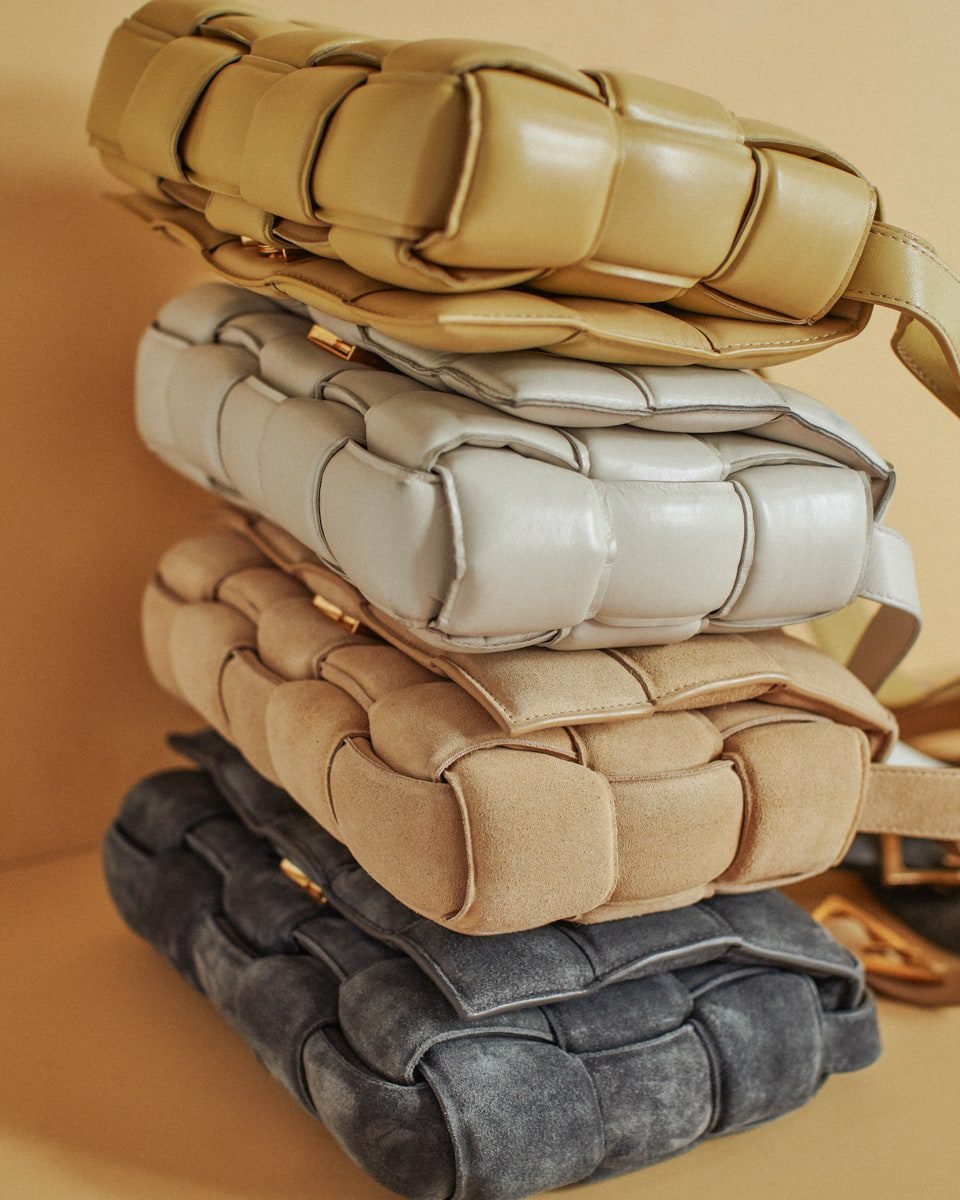
Bottega Veneta offers a clear example of how quickly a brand can shift when its creative direction changes. A renewed focus on modernity helped refresh the label’s image and brought the brand back into sharper conversation with contemporary shoppers. At the same time, a move like that can unsettle loyal customers who are attached to familiar silhouettes and signature pieces.
What Happens When House Codes Are Rewritten?
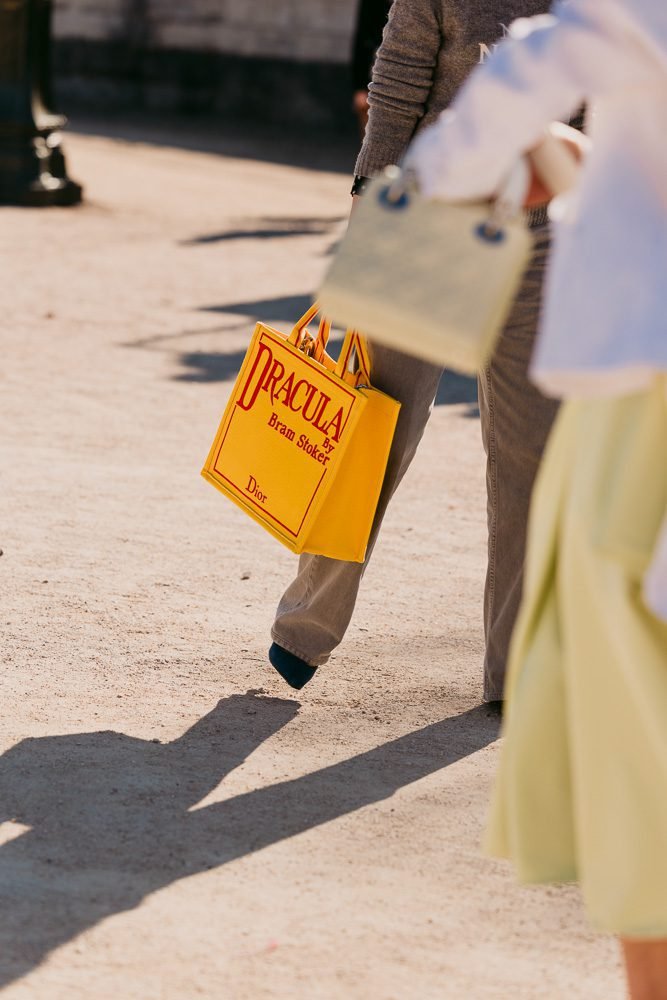
At Dior, Jonathan Anderson brings a modern, experimental vision to the French house. He began by refreshing the iconic Lady Dior while introducing new silhouettes like the Dior Cigale—timeless in feel—and the Dior Crunchy, which leans casual and youthful.
Under Anderson, staples like the Dior Book Tote have also been reimagined. Ready-to-wear incorporates archival nods such as the Dior Bar Jacket, yet the collection shows some of the most significant departures from the pre-Anderson era.

When a heritage label changes direction, it faces a difficult but familiar task: how to evolve without losing the qualities that made it distinctive in the first place. That balance matters because long-time clients often return for house codes, craftsmanship, and a sense of continuity, while newer shoppers are drawn to freshness, novelty, and a clearer point of view. The most effective reinventions tend to feel like an extension of the brand rather than a rejection of it.
Few houses are reinventing as boldly as Chanel under Matthieu Blazy. After Karl Lagerfeld’s 30-year tenure and Virginie Viard’s leadership, Blazy’s debut collection—which hit stores this spring—has been widely celebrated. He modernized core pieces like the Classic Flap with an oversized, slouchy update and reimagined iconic Chanel tweed, all while preserving echoes of the past.
Can Brands Really Do It All?
For every celebrated reinvention, there is pushback. Longtime loyalists at Chanel and Dior have voiced frustrations on social media. Yet brands must modernize to stay relevant as spending power shifts to younger generations. Millennials and Gen Z are aging into higher disposable incomes, and tapping into these markets is essential for growth—without abandoning the customers who built the brand’s legacy.
The transition can also take time. A creative director may need several collections to settle into a rhythm, build a visual language, and decide which signatures to preserve. During that period, the brand may feel in flux as it tests the boundaries between old and new.
Another perspective: “I don’t care if they’re honoring house codes. If the product isn’t good enough on its own, heritage alone doesn’t justify it. Designers should focus on clarity of vision—that will find its audience.”
The fashion landscape is ever-changing. The question remains: Can heritage brands truly do it all?
Bottega Veneta approaches the same challenge with a quieter hand. Rather than relying on overt logos or obvious archival quotation, the brand can evolve through materials, proportion, and construction. Its woven leather signature remains central, but the details around it can shift, allowing the house to feel current without losing its core identity.
You May Also Like
Featured
Matthieu Blazy’s Chanel Bags Shine Outside the Haute Couture Fall 2026 Show
The Best Bags Guests Carried to Dior’s Fall 2026 Couture Show
Chanel presents another version of the same tension. The brand’s most recognizable codes—tweed, quilting, chain straps, and flap bags—carry enormous emotional weight, which makes any reinterpretation especially visible. A successful update does not erase those signatures; it gives them a new shape, a different attitude, or a fresh context that keeps them relevant.
I Finally Reviewed the Coach Chelsea Bag and Here’s What You Need to Know
World Cup Players’ Best Bags: The Follow-Up Edit
Trending Now
The Coveted Cartier Rainbow Love Bracelet Is Back
Matthieu Blazy’s Chanel Bags Shine Outside the Haute Couture Fall 2026 Show
Jonathan Anderson Melds Sculptural Intricacies with the Delicacy of Nature for Dior Fall 2026 Haute Couture
The Best Bags Guests Carried to Dior’s Fall 2026 Couture Show
I Finally Reviewed the Coach Chelsea Bag and Here’s What You Need to Know
Amazon Summer Picks
Heritage brands are asked to satisfy competing expectations at once. They must honor the clients who built their reputations, attract younger shoppers with a stronger appetite for newness, and remain commercially compelling in a crowded luxury market. That can lead to criticism whenever a collection feels too radical or too cautious.
Summer Travel Mesh Tote Bag
LANEIGE
Still, reinvention is not optional. For a luxury house, staying relevant often means refining the product, sharpening the message, and finding a balance between familiarity and surprise. The strongest creative directions are usually the ones that make the brand feel unmistakable while still offering something that feels alive.
Sun Bum
Kids SPF 50 Clear Face Stick
Ultimately, the question is not whether heritage and reinvention can coexist. It is how thoughtfully a brand can manage the transition so that its past remains visible even as its future comes into focus.
Flip Flops
Related Long-Tail Keywords
- replica how heritage luxury brands like chanel, dior, and bottega veneta balance reinvention with loyalty quality guide
- how to style a replica how heritage luxury brands like chanel, dior, and bottega veneta balance reinvention with loyalty bag
- replica how heritage luxury brands like chanel, dior, and bottega veneta balance reinvention with loyalty material and hardware details
- replica how heritage luxury brands like chanel, dior, and bottega veneta balance reinvention with loyalty size and fit guide
- replica how heritage luxury brands like chanel, dior, and bottega veneta balance reinvention with loyalty buyer checklist

Interested in replica luxury bags? Contact us.
WhatsApp: +852 46220086 Telegram: @samchen99 Instagram: @repbags7Scan the QR code or contact us directly