How Indie Handbag Brands Are Outpacing Luxury Designers in the Modern Market
Discover why contemporary indie brands like Mansur Gavriel and Cult Gaia are reshaping the luxury handbag industry and challenging established fashion houses.

The Rise of Indie Handbag Brands in a Luxury World
For over a decade, the handbag market was dominated by established luxury houses with vast resources and global recognition. That dominance has not disappeared, but it has been challenged. Independent contemporary brands are now capturing the attention of fashion-forward consumers, often outpacing their larger competitors in relevance and desirability.

How Mansur Gavriel Changed the Game

Instead, they are building desirability through focused collections, memorable silhouettes, and a direct relationship with customers who value taste as much as heritage. Their debut collection of minimalist day bags, including the now-iconic Bucket Bag, sold out instantly. Starting with a small founding team and a tightly edited collection, the brand introduced a minimalist sensibility that felt fresh at the time. The brand proved that sophisticated, elegant designs could thrive in the $250 to $800 price range—a segment previously overlooked by major houses.

Instagram as the Great Equalizer
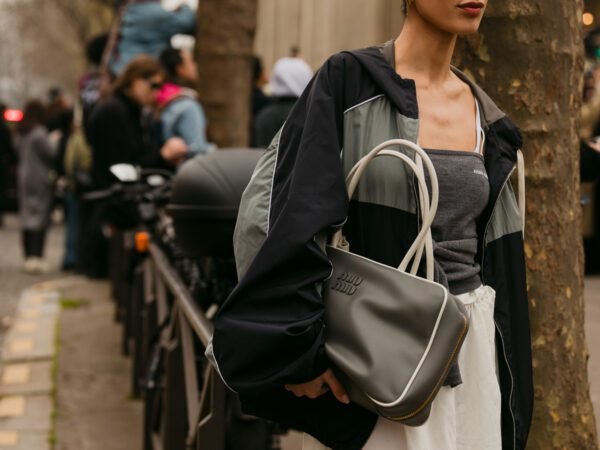
Social media, particularly Instagram, has leveled the playing field for emerging designers. The brand’s Bucket Bag became especially influential because it balanced form and function in a way that felt both modern and timeless. Mansur Gavriel’s tonally cohesive Instagram presence became a blueprint for success. Social media has been a major force behind the rise of indie handbag brands, and Instagram in particular has changed how accessories are discovered and valued. This direct-to-consumer visibility allows smaller brands to compete with luxury giants on aesthetic appeal alone.
The New Wave of Contemporary Designers
A bag must look compelling at a glance, and Instagram rewards exactly that kind of immediate visual impact. They began scouting and stocking indie bag designers that fit the new mold: tight product lineups, clear aesthetic visions, and Instagram-ready designs. Names like Wandler, Cult Gaia, Simon Miller, STAUD, Hunting Season, and Danse Lente have filled this space. Retailers with an eye for newness have played an important role in shaping this category.
Scarcity and Urgency in the Digital Age
Unlike established houses that produce bags in vast quantities, indie brands often operate with smaller manufacturing capacities. Brands such as Wandler, Cult Gaia, Simon Miller, STAUD, Hunting Season, and Danse Lente fit squarely into this space. Popular styles sell out quickly, generating a sense of urgency that mass-produced luxury bags rarely achieve. Consumers are drawn to the exclusivity and the thrill of securing a coveted piece before it disappears.
Price and Value: A Compelling Proposition
Smaller production runs have become another advantage for indie handbag brands. Where luxury houses once offered small, non-leather entry-level bags at high three-figure prices, indie brands now deliver distinctive, well-crafted designs in the mid-three figures. For shoppers, this can make the purchase feel more personal and more rewarding, especially when a style feels difficult to find elsewhere. A recognizable, taste-signaling piece from a brand like Danse Lente or Cult Gaia costs significantly less than comparable offerings from legacy designers.
The Challenge for Legacy Brands
In a market saturated with constant product drops, that restraint can be a powerful differentiator. Only a few—Gucci, Balenciaga, Louis Vuitton, Chanel, and Hermès—have managed to maintain relevance. Others rely on reputation rather than innovation. Contemporary brands often meet that need by offering polished designs in a more approachable range, while still emphasizing material quality and visual impact.
What This Means for the Future of Handbags
Established names still hold advantages in quality assurance, customer service, and brand prestige. That balance of style, practicality, and restraint is central to the new handbag equation. However, the contemporary market has never been more competitive. For many shoppers, those qualities remain important, especially when buying a handbag as a long-term wardrobe investment. If legacy houses are wise, they will pay attention to the lessons these upstarts are teaching.
You May Also Like
Featured
Matthieu Blazy’s Chanel Bags Shine Outside the Haute Couture Fall 2026 Show
Reworking existing styles in new finishes or colors may preserve continuity, but it does not always create excitement.
Are Handbags the Gateway to Luxury Ready-to-Wear?
The handbag market is no longer defined solely by heritage.
World Cup Players’ Best Bags: The Follow-Up Edit
Trending Now
Matthieu Blazy’s Chanel Bags Shine Outside the Haute Couture Fall 2026 Show
The Coveted Cartier Rainbow Love Bracelet Is Back
Jonathan Anderson Melds Sculptural Intricacies with the Delicacy of Nature for Dior Fall 2026 Haute Couture
The Best Bags Guests Carried to Dior’s Fall 2026 Couture Show
Goyard Just Introduced the Hobo Bohème Mini Bag
Amazon Summer Picks
Hohom
Established luxury brands are not disappearing, but they can no longer assume that prestige alone will secure loyalty.
LANEIGE
Lip Glowy Balm
Sun Bum
Kids SPF 50 Clear Face Stick
Project Cloud
Flip Flops
Related Long-Tail Keywords
- replica how indie brands are outpacing luxury designers in the modern market quality guide
- how to style a replica how indie brands are outpacing luxury designers in the modern market bag
- replica how indie brands are outpacing luxury designers in the modern market material and hardware details
- replica how indie brands are outpacing luxury designers in the modern market size and fit guide
- replica how indie brands are outpacing luxury designers in the modern market buyer checklist

Interested in replica luxury bags? Contact us.
WhatsApp: +852 46220086 Telegram: @samchen99 Instagram: @repbags7Scan the QR code or contact us directly