Superfake Handbags: How to Spot Designer Dupes in 2026
Luxury bag prices have surged over 100% since 2019. As superfakes become nearly indistinguishable from authentic pieces, here is how experts spot counterfeit designer handbags.
Superfake Handbags: How to Spot Designer Dupes in 2026
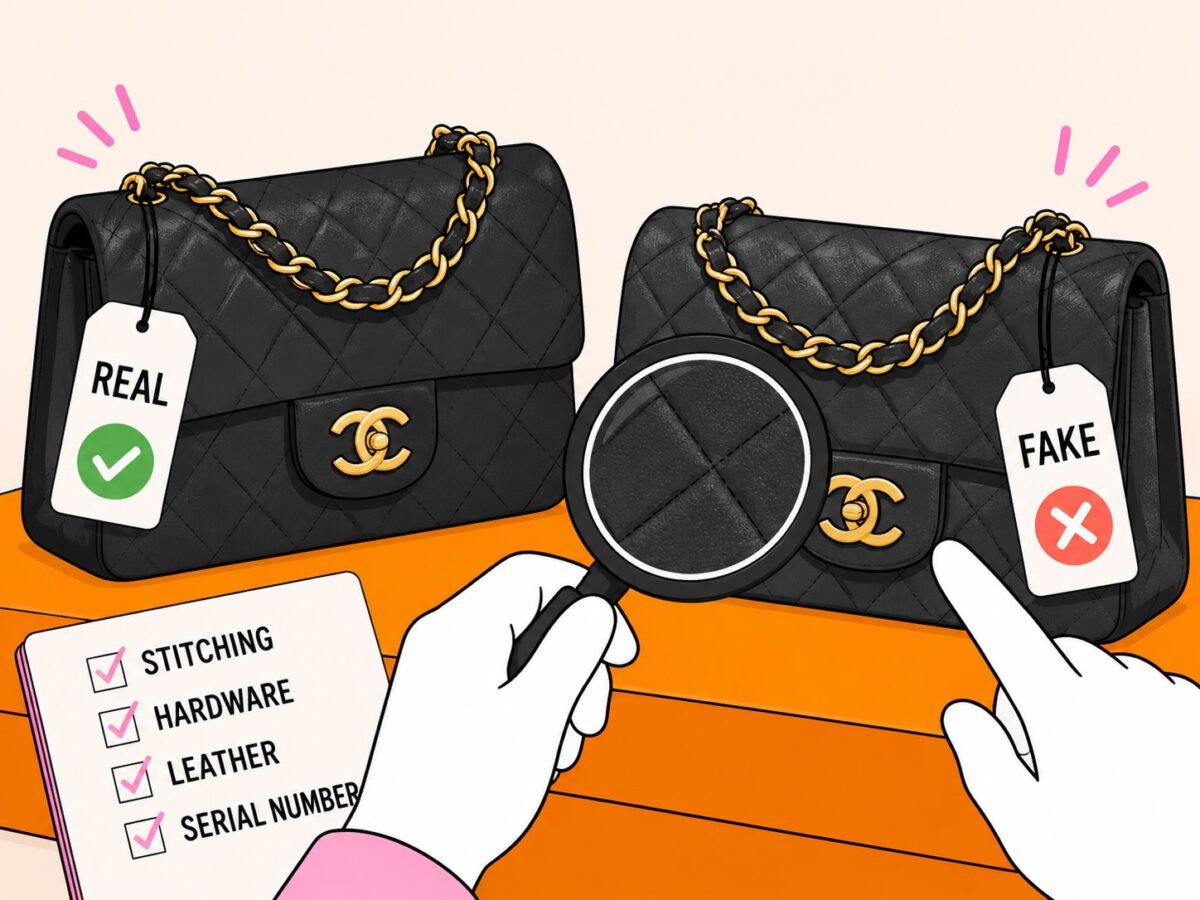
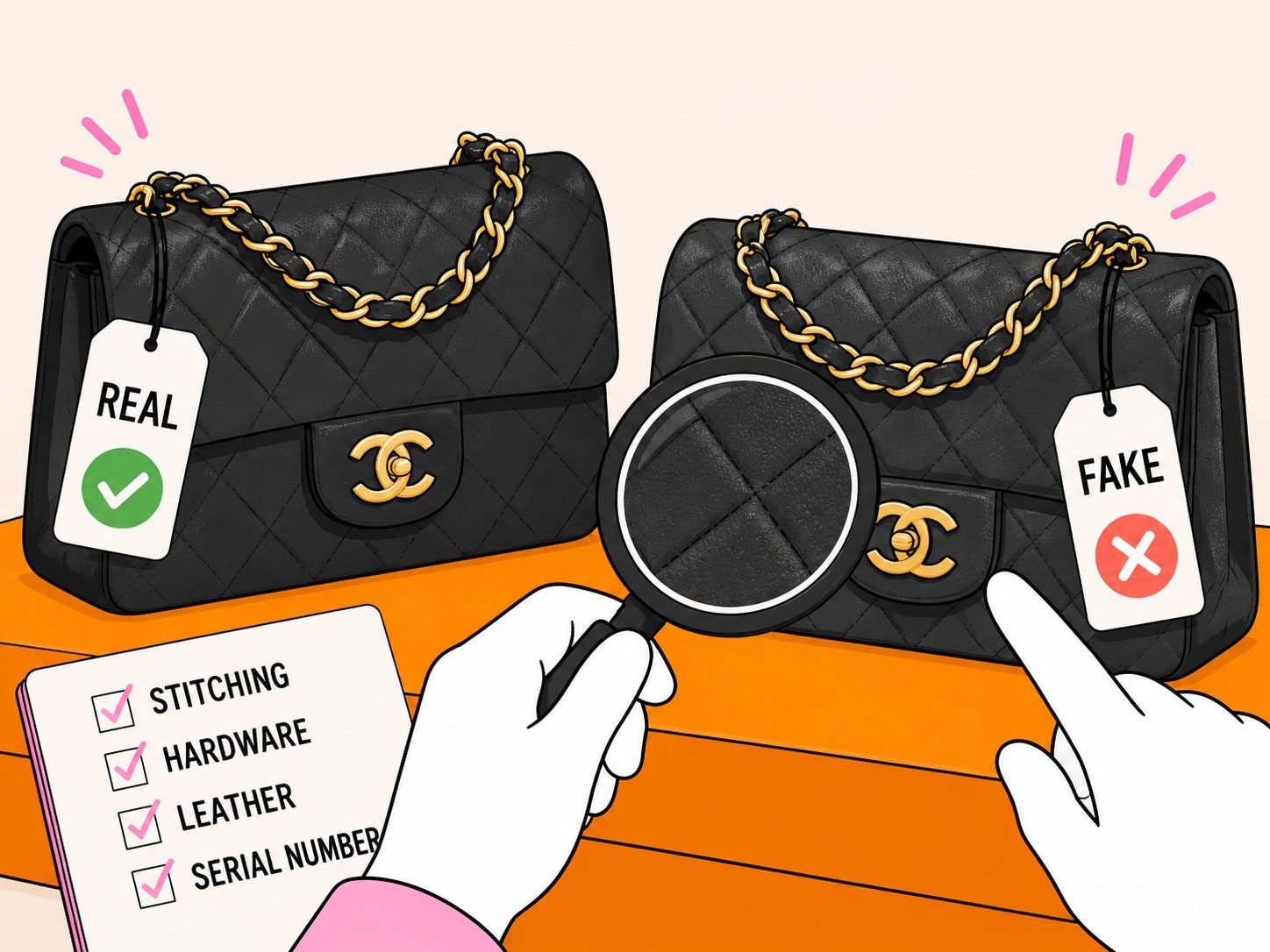
The line between authentic luxury handbags and high-quality counterfeits has never been thinner. As designer houses continue to adjust their prices and production systems, superfakes have become more convincing, more widely discussed, and harder to identify at a glance.
Why Designer Bag Prices Are Driving the Superfake Market
Luxury handbag prices have risen dramatically over the past decade. The Chanel Classic Flap, which sold for just over $5,000 in 2017, now retails at $11,700—a 134% increase in nine years. That pressure has helped fuel demand for convincing alternatives, especially for styles that function as everyday signatures rather than occasional statement pieces. inflation during that same period was 22%, indicating that these price hikes go beyond cost adjustments and reflect a deliberate strategy of exclusivity.
The Rise of Superfakes: When Counterfeits Fool Even Experts
As prices climb, so does the counterfeit market. Across the market, price increases have outpaced routine cost-of-living changes, reinforcing the sense that luxury accessories are not simply becoming more expensive, but more strategically positioned as objects of exclusivity. Customs and Border Protection seized over $380 million worth of counterfeit handbags, wallets, and accessories—and that represents only what was intercepted. Counterfeit handbags now account for nearly 30% of all global counterfeit goods seizures.
The counterfeit market has become more sophisticated alongside luxury’s price growth. Online communities on TikTok, Reddit, and other platforms have formed around both spotting fakes and celebrating them. Some buyers knowingly purchase dupes and display them proudly, shifting the cultural perception of counterfeits from shameful to intentional.
How Authenticators Spot a Fake Designer Bag
Online conversations have also changed the way replicas are discussed, with some buyers treating them as openly intentional purchases rather than hidden substitutions.
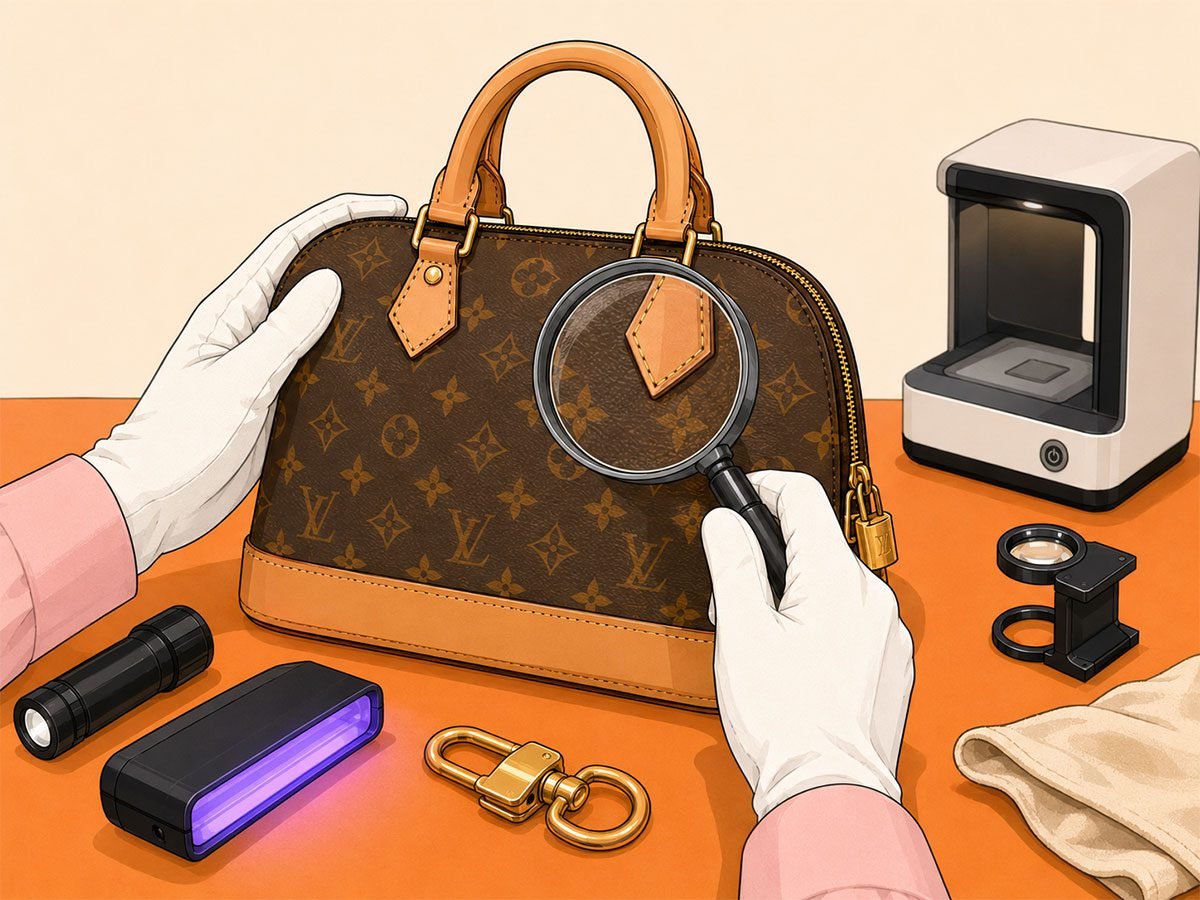
Demetra Arvanitis, founder of a Chicago-based luxury consignment and resale business, describes listening to Louis Vuitton bags: authentic canvas produces a soft, cloth-like sound when bent, while fakes emit a crackly noise similar to cardboard. She also evaluates the weight of hardware—genuine pieces feel distinctly metallic—and examines gold tones. Professional authenticators rarely rely on a single clue.
“The color of the hardware is a dead giveaway,” Arvanitis says. A bag that looks correct in photos may feel wrong in hand, and a detail that seems minor to most shoppers can become decisive under close inspection. Plasticky bags, when they wear over time, will crack and break. But leather will tear and crease, and that’s natural.
Hardware also tells a story: real pieces usually have a substantial weight, a consistent finish, and a tone that matches the brand’s known production standards. The system examines pattern errors, weave inconsistencies, and stitching details. At high magnification, even the depth of a stamped letter becomes evidence—how far the imprint penetrates the leather and whether the incision matches an authentic die.
When the case is less obvious, technology can help. His team uses loupes, blacklights, mirrors, and flashlights. For Hermès, he focuses on the saddle stitch: hand-stitched and flipped upward rather than running straight across, a process that can take up to sixteen hours per bag.
In other words, the closer the counterfeit gets to the original, the more authentication becomes an exercise in precision.
Serial Numbers, Microchips, and Blockchain: The New Authentication Frontier
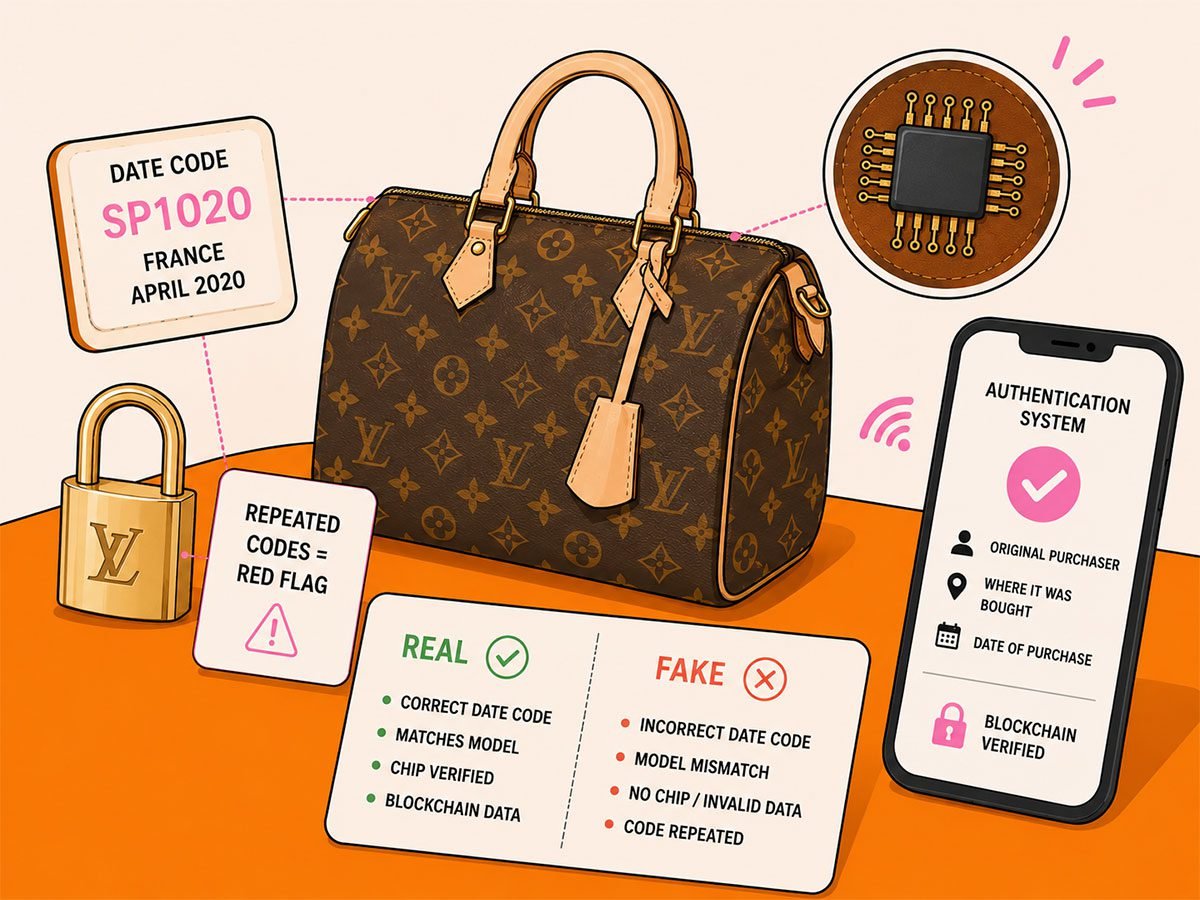
Serial numbers remain a key authentication checkpoint, though they come with caveats. Louis Vuitton used date codes prior to switching to embedded chips in 2023. Loupes, blacklights, mirrors, and flashlights can expose inconsistencies in stitching direction, interior finishing, and hidden construction. A bag claiming to be from France in April 2000 but carrying a silhouette not released until 2018 is an immediate red flag.
Counterfeiters often duplicate the same date codes across large production runs, causing those codes to become flagged. Depending on the brand and the era, codes may indicate production timing, manufacturing region, or factory information, but they can also be copied, duplicated, or misused by counterfeiters. A Hermès lock stamped “111” has become a well-known tell among authenticators.
Luxury houses have been developing their own authentication infrastructure, shifting toward microchips and blockchain technology. A code that appears plausible may still be wrong if it is attached to a style, leather, or hardware combination that the brand had not yet produced. It’s blockchain-based and they have their own proprietary system that allows them to scan the item and see everything about it: who the original purchaser is, where it was bought.
A chip that returns no data or inconsistent information indicates a counterfeit. Authenticators look for patterns, not just numbers. “You would think that the brands would assist resale companies to keep fakes off the street,” he says. “But they don’t, unfortunately.
How Chanel, Louis Vuitton, and Hermès Are Fighting Back Against Fakes
A chip that cannot be read, returns inconsistent information, or does not align with the bag’s physical features should be treated as a warning sign rather than a guarantee. Entering the interior serial number pulls up the bag’s production date and release information. Arvanitis also notes that Patou, owned by LVMH, has rolled out similar technology, and Chanel is developing its own proprietary version.
That can make the bag less legible to the public but more traceable within the brand’s own ecosystem. If anything does not match, the bag does not get serviced—and the owner learns something they may not have wanted to know.
Across brands, the approach is essentially fortress architecture: building systems that make fakes easier to detect without publishing the rulebook. Hermès remains in a category of its own, with a reputation built on craftsmanship and controlled distribution. “Who is going to put more money into it: the counterfeiters or the brands?
The Dupe Buyer Who Paints Over Counterfeits
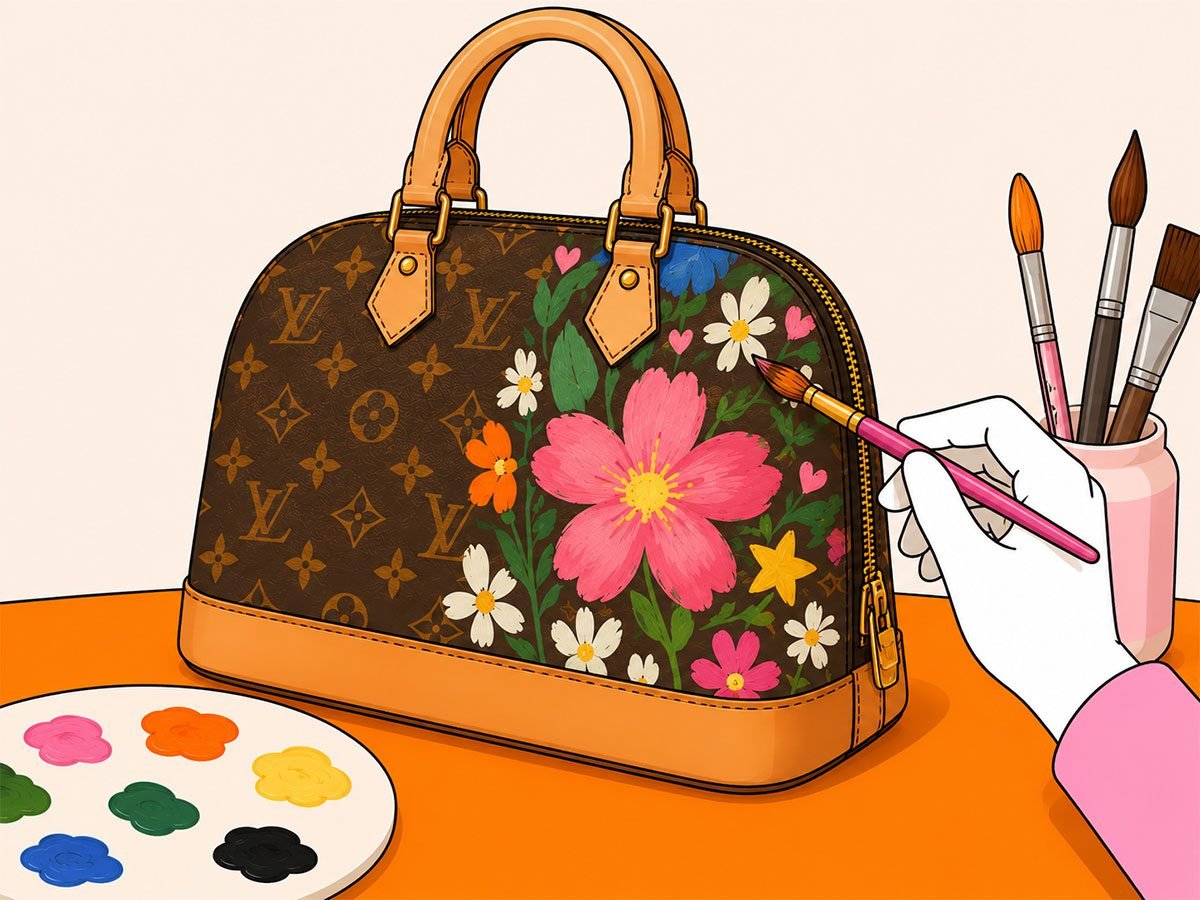
Not everyone carrying a fake went looking for one. In practice, that means construction quality, leather behavior, and internal product details all have to line up. When a woman relocating abroad offered her a batch of donations to give out, she spotted a Louis Vuitton Alma in the pile and nearly set it aside for Dress for Success.
The trim did not look right, and the leather felt off. Some acquire fakes accidentally, while others knowingly purchase replicas and then modify them to make the piece feel personal. She submitted photos to an online authentication service, which confirmed her intuition: the bag was a fake. A bag that would once have been dismissed as unusable may now be repurposed, customized, or worn ironically.
“It’s not real,” she says, “so I felt okay drawing on it.” If anyone asks, she tells them it is fake, which the painted-over canvas makes self-evident.
Is the Designer Dupe Era Here to Stay?
Instead, the bag becomes a surface for self-expression, even if it began as a counterfeit. “There are whole communities online dedicated to buying replicas. They share their factory sellers, show pictures of the real versus the one they got, and there are a lot of ‘ooh’ and ‘ahh’ in the comments. The current appetite for replicas reflects more than opportunism.
The Miami buyer has her own theory: “I think it’s the pendulum effect. We’re in the era of the fake, partly because of our economic situation and partly because people are moving toward making brand prestige less important. As trends move faster and brand recognition becomes more visible online, some buyers are less interested in ownership purity than in the look, shape, or cultural signal of a bag.
Arvanitis is less certain the trajectory reverses. The trend and fashion cycle is moving faster than ever, she says. As long as there is demand for iconic silhouettes, there will be incentives to imitate them. “Everyone is scrambling to get the new ‘it’ bag,” she says. “I think we’re just going to continue seeing this become a problem.
In the end, the handbag market is now split between provenance and perception. The question of what any of them are actually worth—in dollars, in status, in what they say about the person carrying them—is one the market is still trying to price.
Related Long-Tail Keywords
- superfake handbags article
- best superfake handbags
- superfake luxury handbags

Interested in replica luxury bags? Contact us.
WhatsApp: +852 46220086 Telegram: @samchen99 Instagram: @repbags7Scan the QR code or contact us directly