The Art of Crafting a Gucci Bamboo Bag: A Behind-the-Scenes Look at the Florentine Factory
Step inside the Gucci factory near Florence to see how artisans transform raw bamboo into iconic handbag handles through fire, lacquer, and decades-old techniques.
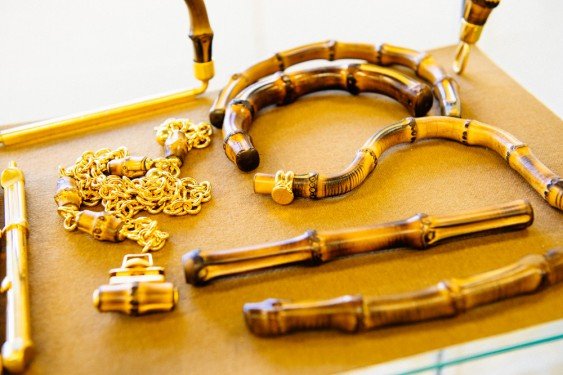
The Legacy of Gucci Bamboo
Gucci’s 90-year history is rooted in the refined craftsmanship of Tuscan artisans. While the brand has always emphasized luxury, the Bamboo line—first introduced in the 1940s—remains a cornerstone of its heritage. We’ve previously explored the history of Gucci Bamboo bags, and now we’re taking you inside the workshop where these iconic handles come to life.
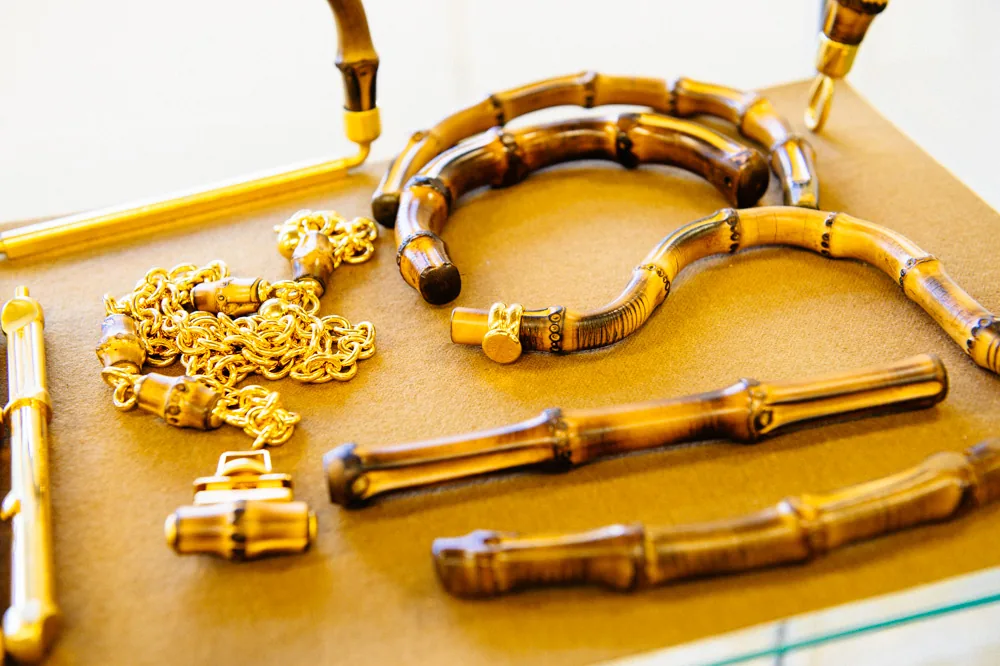
It is easy to appreciate a finished handbag for its shape, sheen, and silhouette without thinking about the work behind it. A visit to the Florentine factory offers a more complete perspective, showing how much attention goes into a single handle before it ever reaches a boutique. Observing the process firsthand makes clear that the Bamboo bag is not only a design object, but also the result of careful handwork at every stage.
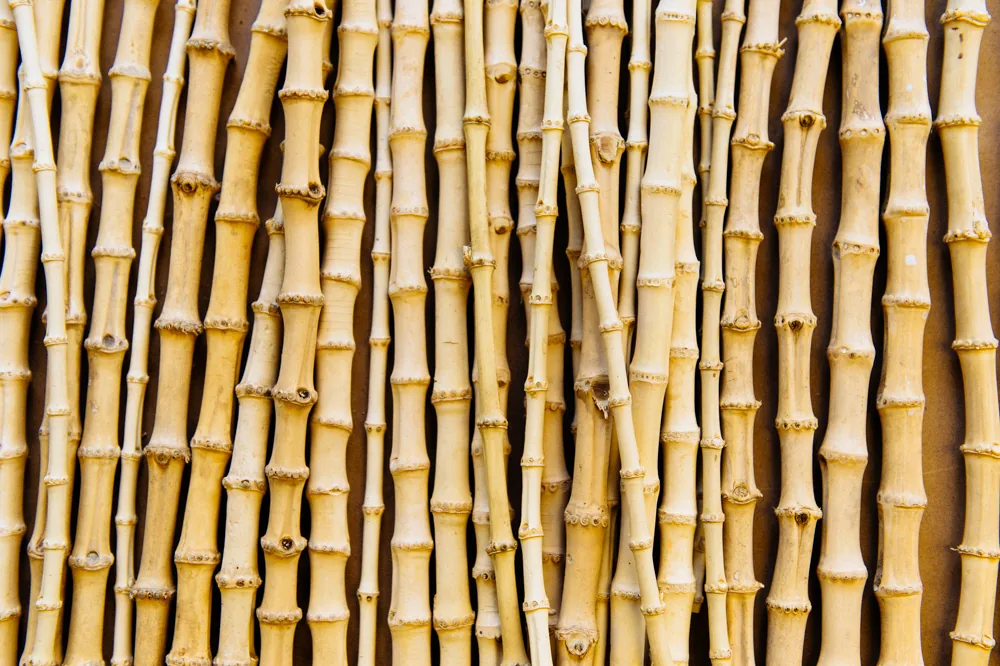
Selecting the Perfect Bamboo
The process begins with sourcing the right bamboo. Artisans carefully inspect each piece, selecting only the most flawless sections. Once approved, the bamboo moves to the bending stage.
A trained artisan heats the bamboo over an open flame to soften the natural material and make it flexible enough to bend. The handle’s distinctive curve is formed slowly, with constant adjustment and rotation to avoid cracking or unevenness. This is a process that depends on timing, touch, and experience rather than speed.
Shaping Bamboo Over an Open Flame
A specially trained artisan heats the bamboo over an open flame. As the material softens, it becomes pliable enough to be bent into the signature handle curve. This step requires patience and precision, with the artisan continuously rotating and manipulating the bamboo until the shape is just right.

“Your browser doesn’t seem to support HTML5 video. SHUCKS!”
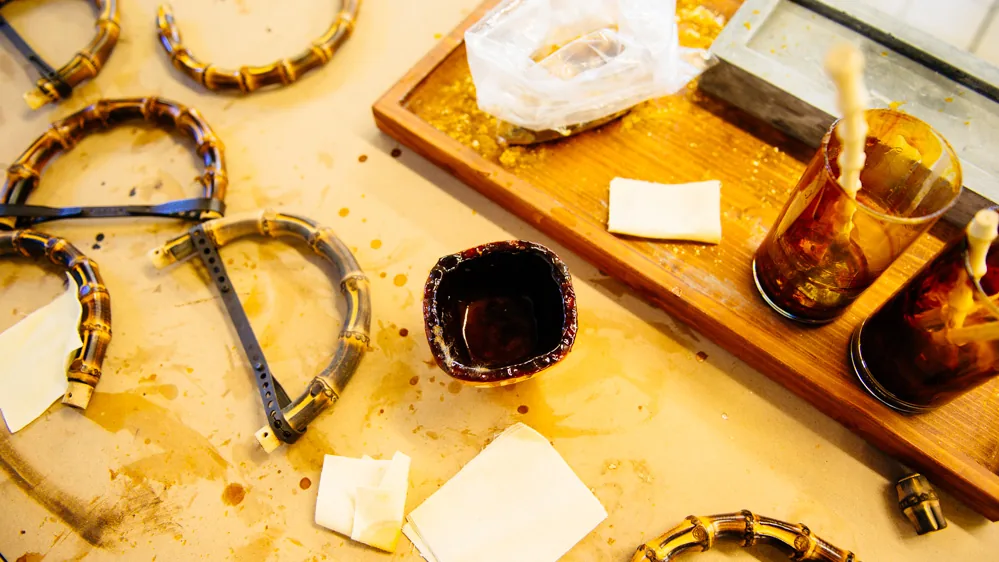
The Lacquering Process
The application must be even and carefully handled so the surface remains clean and consistent. At this stage, the handle begins to take on the signature look that makes it immediately recognizable.
Toasting for the Perfect Finish
After lacquering, the artisan moves to the toasting station. Here, the handles are carefully toasted to achieve a warm golden-brown hue. Because each piece is handmade, no two handles are identical—a testament to the artistry involved.
When the handle has been shaped, lacquered, and toasted, it is mounted onto the hardware and attached to the bag. This final stage brings together the technical and aesthetic elements of the design, completing a piece that feels both functional and refined.
Final Assembly
With the handle molded, lacquered, and toasted, it is mounted onto the hardware and attached to the bag. The result is a true brand icon—a design that blends innovation with a rich history of meticulous craftsmanship.
Related Long-Tail Keywords
- replica the art of crafting a gucci bamboo : a behind-the-scenes look at the florentine factory quality guide
- how to style a replica the art of crafting a gucci bamboo : a behind-the-scenes look at the florentine factory bag
- replica the art of crafting a gucci bamboo : a behind-the-scenes look at the florentine factory material and hardware details
- replica the art of crafting a gucci bamboo : a behind-the-scenes look at the florentine factory size and fit guide
- replica the art of crafting a gucci bamboo : a behind-the-scenes look at the florentine factory buyer checklist

Interested in replica luxury bags? Contact us.
WhatsApp: +852 46220086 Telegram: @samchen99 Instagram: @repbags7Scan the QR code or contact us directly