What 'Made in Italy' Really Means for Your Luxury Handbag Components
Explore the truth behind 'Made in Italy' tags on luxury handbags. We examine component sourcing, manufacturing ethics, and what informed shoppers should know.
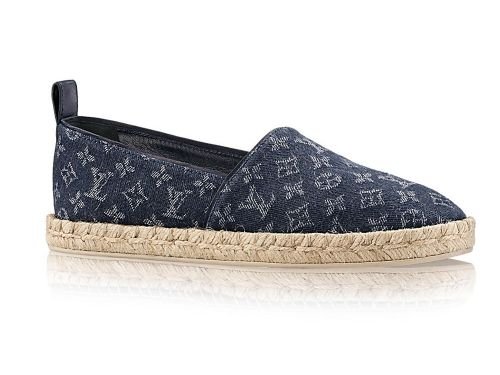
Decoding the ‘Made in Italy’ Label on Luxury Handbags
When you see a “Made in Italy” tag on a designer handbag or pair of shoes, what does that promise actually mean? For many luxury shoppers, it evokes images of artisanal workshops and generations of craftsmanship. But the reality of modern luxury production is far more complex.
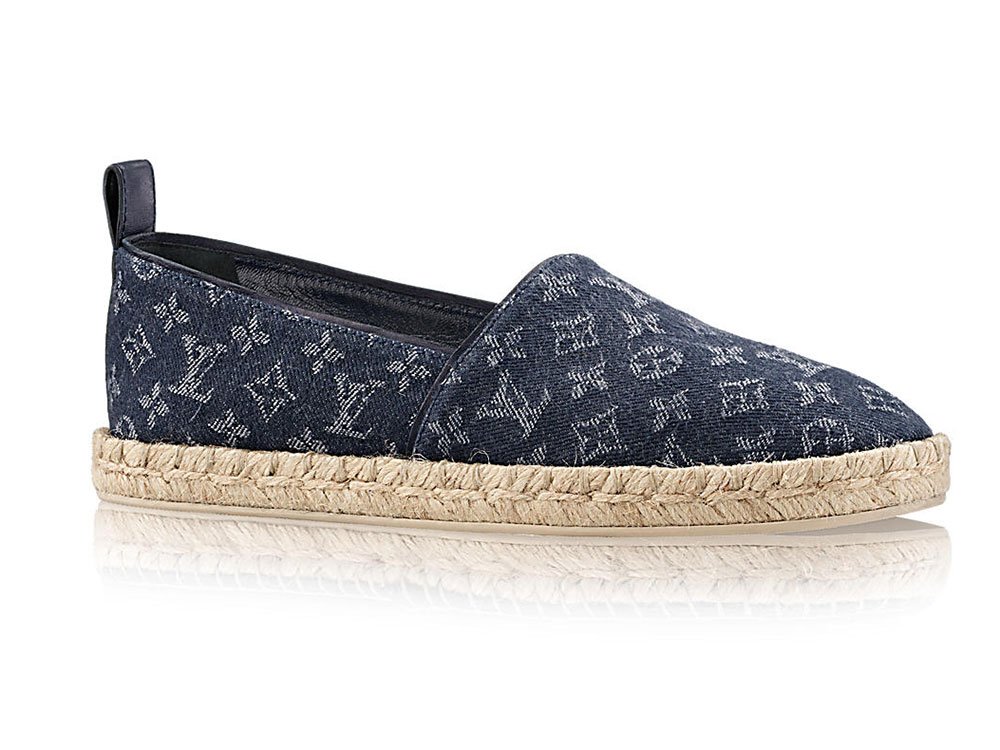
How European Trade Laws Define ‘Made in Italy’
The most important thing to understand is that “Made in Italy” does not necessarily mean every component of the bag was sourced, cut, stitched, or assembled entirely within Italy. In modern luxury manufacturing, a handbag may be designed in one country, use materials from several others, and still be finished in Italy if the final substantial transformation takes place there. That distinction matters for anyone trying to read a label as a complete record of origin.
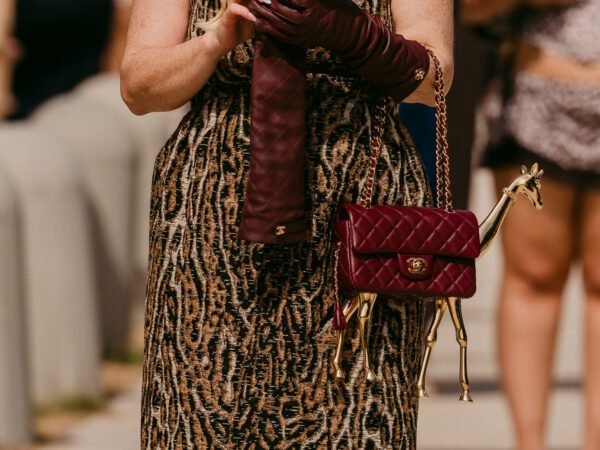
This practice is not unique to Louis Vuitton. Many luxury conglomerates, including LVMH, operate facilities across Europe. A 2017 Guardian investigation revealed that LVMH subsidiary Somarest runs a factory in Romania producing uppers for Louis Vuitton shoes. Those components then travel to Italy for final assembly and labeling.
The Reality Behind Luxury Manufacturing
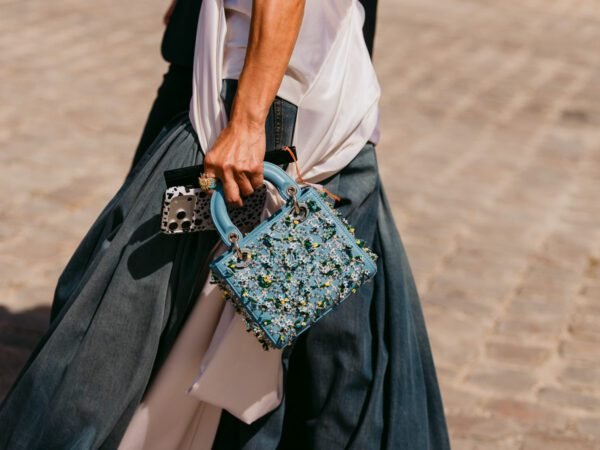
While brands rarely advertise this multi-country production model, it is hardly a secret. Dana Thomas’s 2007 bestseller Deluxe: How Luxury Lost Its Luster documented these practices extensively. By 2017, most informed consumers understood that the fairy-tale version of luxury production often differs from operational reality.
Large corporate conglomerates now own most fashion houses. Satisfying investors requires cost management and profit growth, which in physical goods manufacturing means seeking labor markets with competitive wage structures. Designers may wish to tell stories of humble beginnings, but those boutique operations cannot scale at the pace global capitalism demands.
Does Component Sourcing Affect Your Shopping Choices?
In other words, the label usually reflects where the product became what it is at retail, not necessarily where every part was made. A handbag can include leather, hardware, lining, and trims from multiple locations, then be assembled and finished in Italy. That is fully consistent with how many luxury goods are produced today.
However, this perspective often comes with industry experience. Newer luxury shoppers may feel differently when they discover that a “Made in Italy” label does not guarantee every component was crafted within Italian borders.
What This Means for the Informed Luxury Shopper
Understanding component sourcing allows you to make purchasing decisions aligned with your values. Some buyers prioritize full domestic production and seek out brands that disclose their supply chains. Others focus on product quality and after-sales support, accepting that globalized production is an industry standard.
Either approach is valid. The important thing is to shop with open eyes, knowing that the story behind your handbag may be more intricate than the label suggests.
For consumers, the gap between the romance of luxury branding and the reality of manufacturing can be surprising. Luxury marketing often emphasizes heritage, craftsmanship, and artisanal expertise, which are all meaningful qualities. But those ideas do not always map neatly onto a fully localized production process.
You May Also Like
Featured
Matthieu Blazy’s Chanel Bags Shine Outside the Haute Couture Fall 2026 Show
The Best Bags Guests Carried to Dior’s Fall 2026 Couture Show
Are Handbags the Gateway to Luxury Ready-to-Wear?
For many experienced luxury shoppers, the origin of individual components matters less than the finished product’s overall quality. If the leather feels excellent, the structure holds up, the hardware performs well, and the brand stands behind the item, the manufacturing path may be secondary to the result.
World Cup Players’ Best Bags: The Follow-Up Edit
Trending Now
The Coveted Cartier Rainbow Love Bracelet Is Back
Matthieu Blazy’s Chanel Bags Shine Outside the Haute Couture Fall 2026 Show
Jonathan Anderson Melds Sculptural Intricacies with the Delicacy of Nature for Dior Fall 2026 Haute Couture
The Best Bags Guests Carried to Dior’s Fall 2026 Couture Show
Goyard Just Introduced the Hobo Bohème Mini Bag
Amazon Summer Picks
Hohom
Summer Travel Mesh Tote Bag
If you are comparing handbags, it helps to look beyond the label and ask practical questions. How is the bag finished? Are the seams clean and consistent? Does the leather age well? Is the hardware substantial? Does the brand provide meaningful repair or care support? Those details often tell you more about long-term satisfaction than the country designation alone.
Lip Glowy Balm
Sun Bum
Kids SPF 50 Clear Face Stick
Neither response is wrong. The point is to shop with clear expectations. If you value full traceability, seek brands that explain their sourcing and manufacturing practices openly. If you care most about finish, feel, and longevity, focus on construction quality and service as much as the label.
Flip Flops
Related Long-Tail Keywords
- replica what ‘made in italy’ really means for your luxury components quality guide
- how to style a replica what ‘made in italy’ really means for your luxury components bag
- replica what ‘made in italy’ really means for your luxury components material and hardware details
- replica what ‘made in italy’ really means for your luxury components size and fit guide
- replica what ‘made in italy’ really means for your luxury components buyer checklist

Interested in replica luxury bags? Contact us.
WhatsApp: +852 46220086 Telegram: @samchen99 Instagram: @repbags7Scan the QR code or contact us directly