Where Do Influencers' Designer Freebies Go After the Instagram Hype Fades?
Ever wonder what happens to gifted luxury bags after influencers move on? Explore the ethics, resale, and hidden truths behind designer freebies in fashion.
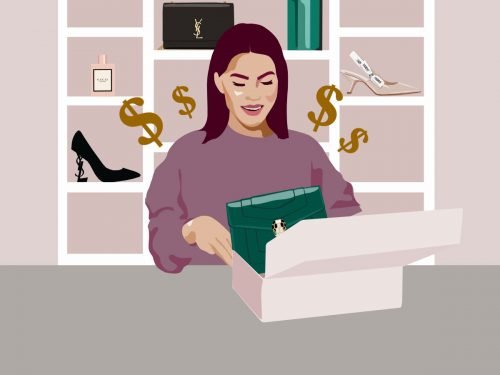
Where Do Influencers’ Designer Freebies Go After the Instagram Hype Fades?
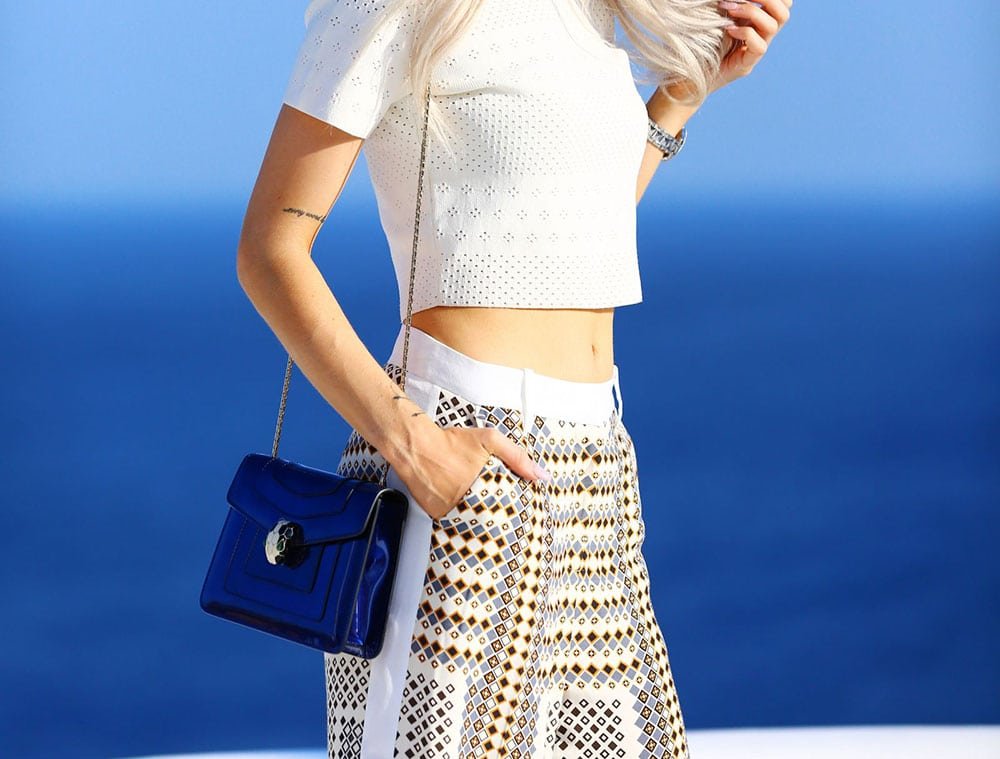
In the world of luxury fashion, certain moments arise when nearly every influencer seems to fall in love with the same “it” bag. In luxury fashion, a handbag can move from must-have to yesterday’s news with striking speed. Popular names like Victoria Magrath (@inthefrow), Tamara Kalinic (@tamara), and Lydia Elise Millen (@lydiaemillen) all shared glowing posts about it within months of each other. Magrath described her electric blue patent Bulgari bag in a blog post, noting that she had seen it on many favorite bloggers and felt the Bulgari buzz was here to stay. That kind of visibility can make a bag feel inevitable, but trend cycles are unforgiving. But when it’s time to move on to a new free bag, where do the old ones go? For many influencers, the answer is simple enough—closet curation, resale, charity, or a careful mix of all three.
The Rise of Influencer Marketing and Gifting
Online influencers initially gained popularity because their content felt authentic compared to traditional fashion media. Digital stars build followings by offering either a relatable vision or an aspirational spark. Their appeal often comes from the balance between relatability and aspiration, with followers responding to a style that feels edited but still intimate.
“Some influencers have like a million followers who are tapping into their posts every single day,” said Chelsea Carter, Head of Content at Whalar, an influencer marketing platform. “I think that the fashion brands sometimes relied more on PR than they have on influencers, and I think that’s changing now because they can see the audiences aren’t reading magazines anymore – they’re following Instagrammers.”
In that environment, a handbag post can do more than showcase an accessory; it can shape demand. According to a 2017 research report by Fashion and Beauty Monitor and Econsultancy, 73% of luxury brands now work in influencer marketing – a dramatic change over the past decade. For a brand, that arrangement can be efficient: the influencer is not only the face of the campaign, but often the photographer, stylist, and distribution channel as well. “Influencers are the production company, they’re the photographer, the model, the set and styling [and] design people all in one.
The Gifting Economy: Free Bags and Authenticity Concerns
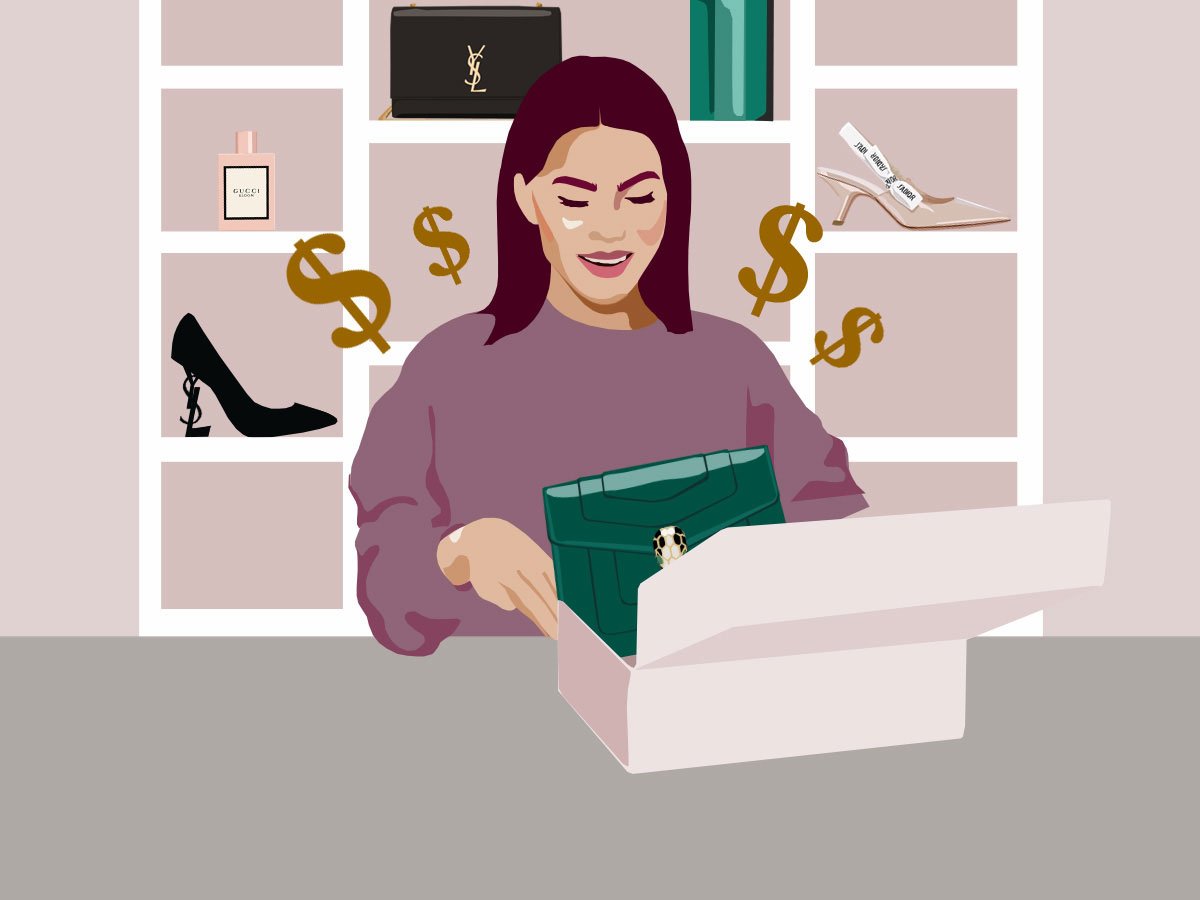
Behind the #goals aesthetic lies the practice of gifting. Behind the polished imagery is the practice of gifting, where brands send products to creators in the hope of earning exposure and editorial-style content. When influencers like Josie Fear (@JosieLDN, known as “Fashion Mumblr”) and Arabella Golby (@arabellagolby) revealed in YouTube reviews that brands reached out and gifted them the Bulgari bag, it chipped away at the “cult item” mystique.
Gifting has become more transparent, prompting some influencers to resist the trend. When multiple influencers are gifted the same handbag at roughly the same time, the sense of spontaneous discovery can disappear. “I’m very conscious of what is extremely popular on Instagram. For example, I’ve noticed that PR companies that represent brands often gift influencers at exactly the same time, and you can see that. What looks like organic enthusiasm may read instead as coordinated promotion. It’s not coincidence,” Blanchard said. Many creators work hard to present themselves as selective and discerning, and audiences notice when the same item appears repeatedly across feeds.
Blanchard compares this repetition of gifted items to hearing a song on the radio constantly. With nearly a decade in social media, she notes that while this strategy once worked, it doesn’t always serve the audience, whose budgets may not match the price of designer gifts.
Others are transparent about the nature of brand relationships and the role gifting plays in their work. In return, influencers are expected to create content highlighting the brand. While some earn serious cash—sometimes up to six figures—for endorsements, others are compensated only through gifting. Influencers may receive free products, event loans, showroom access, discounts, or full sponsorships, and they are often expected to create content in return.
“The influencers now start to realize their worth, such that they’re worth more than just gifting, and they should be getting paid for the work that they’re doing. As the industry matures, many creators have also become more aware of the value of their work. “Whereas now you have to gift them because you need something to make content with…If you want great content, you’ve got to pay these people…because the producing process takes [time].
The Closet Overflow Problem
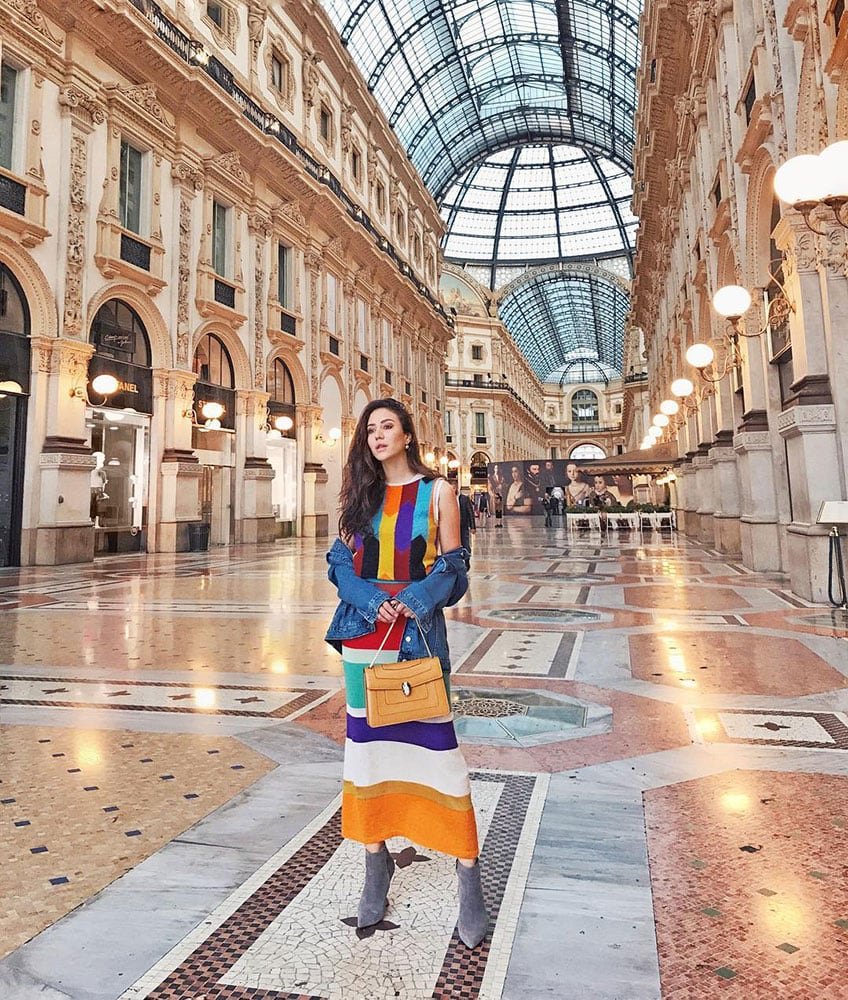
The demand for constant content means multiple partnerships are often in play. Constant partnerships create constant accumulation. That exposure leads to plenty of packages—and plenty of clutter.
“Once [influencers] have worn or used that item – whether it’s for the season, two seasons, three seasons, [or] a year – they want to turn [it] over to wear different things because by the nature of their job, their turnover of clothes is going to be higher than the average person,” Blanchard said. A handbag may be used for one season, photographed for a campaign, or carried to an event, and then set aside when a new wave of content demands something different. You’ve got to get rid of it.
Reselling Gifted Items: Charity, Profit, or Problem?
Many influencers have Depop and eBay pages, but reselling gifted items can be tricky. For influencers, clearing space is not simply about decluttering; it is part of maintaining a workable professional wardrobe. Blanchard, who says she paid for all her luxury bags out of pocket, believes followers have a right to be annoyed if an influencer profits from a gifted item through an “upsell” technique.
If every gifted item stayed forever, the collection would quickly become unwieldy. I think that she should give it as a deal so that [followers] can get it…for way less than they would anywhere else,” she said.
Are influencers within their rights to resell gifted items? Resale is one of the most common ways influencers part with gifted pieces, but it is also one of the most sensitive. On Tamara Kalinic’s Depop account, a clear disclaimer states that all proceeds go to charity. Her page features high-end makeup products—an overflow common in the beauty space, where massive makeup haul videos often feature PR “unboxings” of gifted items in every shade.
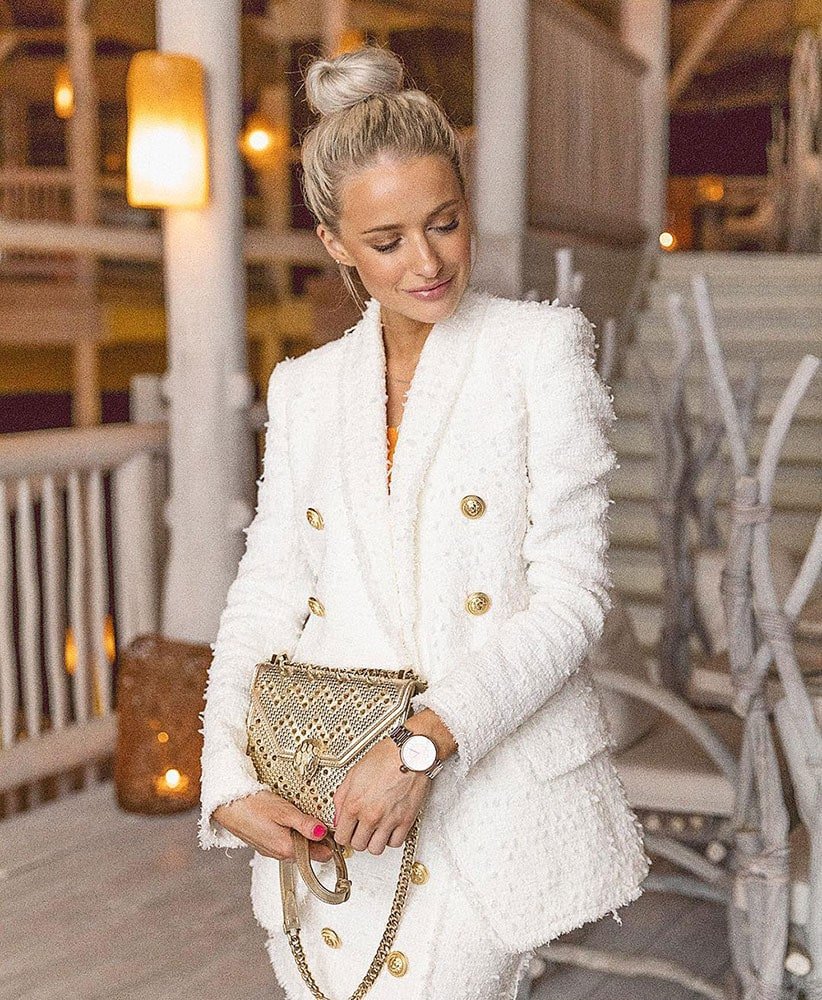
Followers pay attention, and they often expect consistency between what is promoted and what is later sold. If a favorite influencer claims to love a gifted item but later sells it on Poshmark for double the price, it creates a confusing narrative. The issue is not resale itself, but intent and transparency.
“I think if we saw one of our influencers doing that we wouldn’t keep them on the platform anymore,” she said. “When [influencers] are gifted a product, they’re gifted a product because they need to create an advert with that, and then to sell it? By contrast, trying to flip a gifted bag at a near-retail or inflated price can feel opportunistic, particularly when the original recommendation seemed personal. It’s just kind of not really right.
“That goes to the authenticity thing,” she added. Some creators handle this better than others by adding clear disclaimers or directing proceeds to charity.
FTC Rules and Disclosure Requirements
“If someone’s given a free product, they promote the product and talk about how they love the product without disclosing that they were paid or given a free product and then sell [that] product? It also acknowledges a truth about fashion content: an object can be useful for a campaign, then no longer fit the creator’s style or needs. “It doesn’t matter that they sold the product. They still got the benefit of the value of the product, and it feels like something that influencer’s followers would probably care about.
Reselling a gifted product can also intersect with disclosure obligations. Follow-up letters went to 21 influencers who continued to ignore the rules. Ostheimer says serious cases have only been brought against a handful of brands, and responses from warned parties were cooperative. Transparency is essential because followers care not just about what is shown, but about the relationship behind the post.
“If their endorsement itself is rendered deceptive or false by them getting rid of [the item], then there’s a problem,” Ostheimer said. “With respect to individual influencers, if there’s some sort of conduct along that line, we generally try to educate them first. A creator’s audience may forgive a resale decision, but they are less likely to forgive a hidden commercial arrangement.
When an influencer puts an item up for sale that they photographed just once, it does a disservice to both the brand and the audience. For influencers who want to pass along gifted items without creating friction, giveaways offer an elegant solution.
“I think when influencers get a bit shady about hiding who they’re working with it’s because they don’t actually like the brand they’re working with, and in that case it’s a bad partnership and it shouldn’t have happened in the first place,” Carter said. “We always kind of say our influencers are consumers themselves, so they would never want to promote [something] they wouldn’t actually buy.”
A Better Way: Giveaways and Sharing the Wealth
They reduce closet overflow, reward followers, and keep the item moving in a way that feels generous rather than transactional. Blanchard has a simple answer.
“Everyone loves a giveaway,” she said. This approach works especially well when creators receive duplicates or when an item no longer suits their wardrobe. " Blanchard recently hosted a makeup giveaway on her YouTube channel featuring products Tarte sent her.
In that sense, giveaways are more than a neat content strategy; they are a cleaner, more public way to redistribute the value that came with the gift in the first place. After buying a separate Bulgari Serpenti bag, Lydia Elise Millen featured her gifted one in a special giveaway on her YouTube channel to celebrate 500,000 subscribers. Giveaways are a win-win: the influencer’s closet gets lighter while a lucky follower receives a piece of that aspirational vision.
A gifted handbag may begin as a symbol of status, but it can end as something more useful and more generous—a piece of luxury that finds a second life beyond the feed. “You’ve already been blessed with what you’ve got, and you’ve been given so much stuff.
Related Long-Tail Keywords
- replica where do influencers’ designer freebies go after the instagram hype fades? quality guide
- how to style a replica where do influencers’ designer freebies go after the instagram hype fades? bag
- replica where do influencers’ designer freebies go after the instagram hype fades? material and hardware details
- replica where do influencers’ designer freebies go after the instagram hype fades? size and fit guide
- replica where do influencers’ designer freebies go after the instagram hype fades? buyer checklist

Interested in replica luxury bags? Contact us.
WhatsApp: +852 46220086 Telegram: @samchen99 Instagram: @repbags7Scan the QR code or contact us directly